The forest floor is not scenery
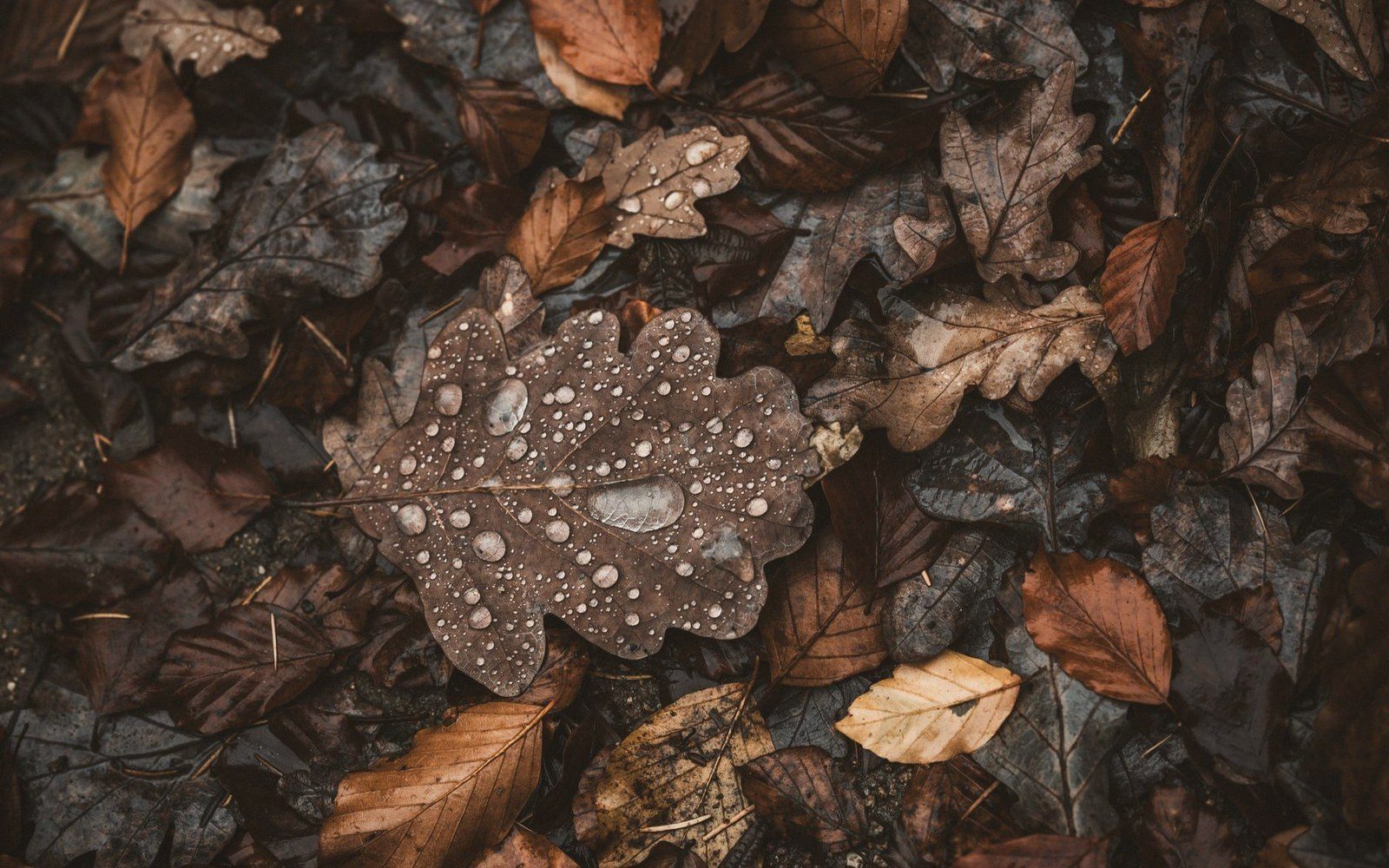
On a wet slope in the Southern Appalachians, the layer of decomposing leaves, rotting logs and saturated soil is not background. It is habitat — as specific in its requirements as any coral reef, and as vulnerable to small changes in condition.
What makes this layer function is perpetual moisture. Some slopes receive well over two metres of rain a year, and a significant fraction of that water never reaches a stream. It hangs in the leaf litter. Fallen tulip poplar and black cherry logs absorb it and hold it for years. The mat of decomposing material that results can stay above forty percent moisture content through dry summer stretches when the canopy is in full leaf and evapotranspiration is pulling hard. The litter is, in effect, a slow-release sponge calibrated by centuries of forest accumulation.
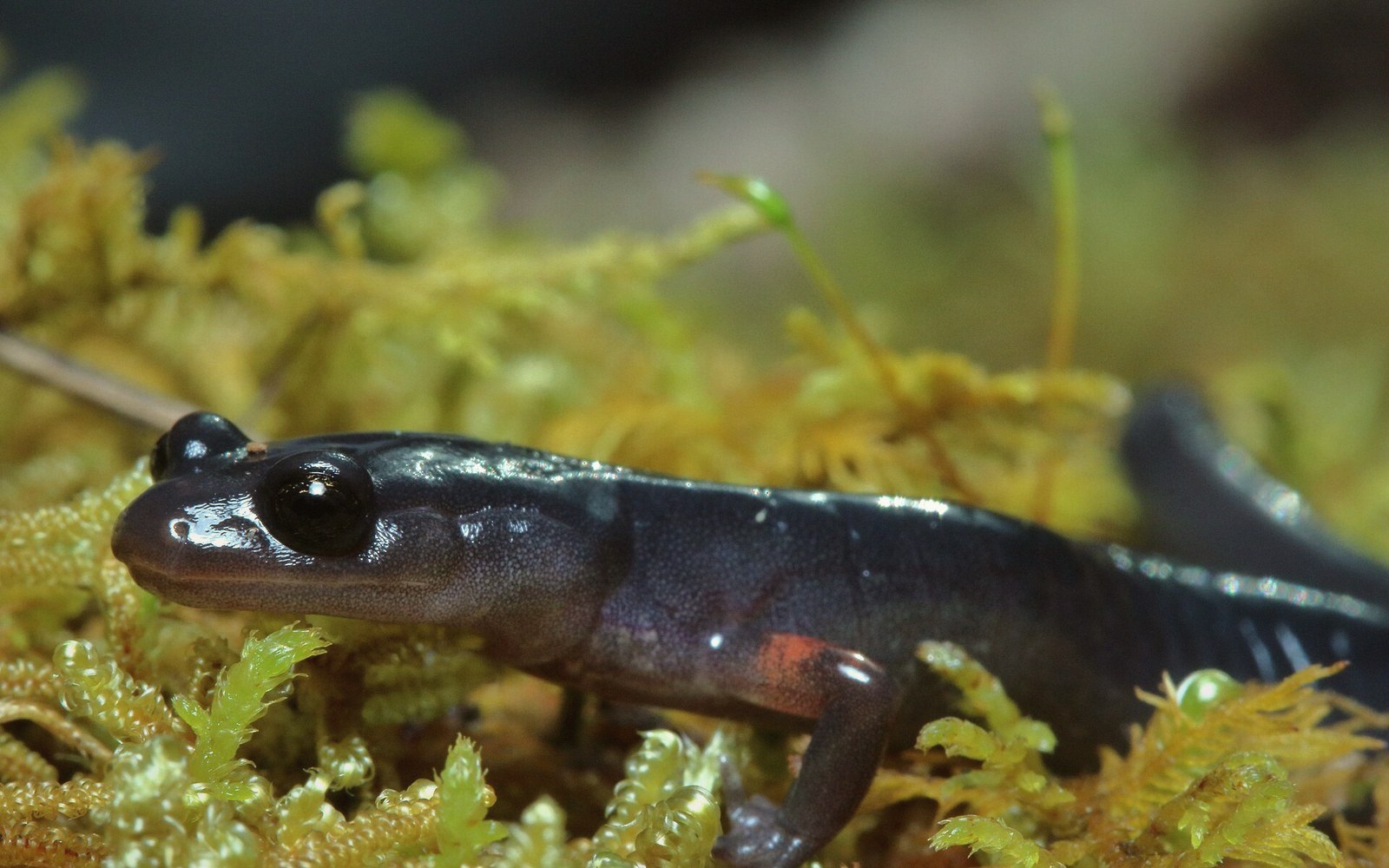
The beneficiaries are everywhere underfoot and almost entirely invisible at a glance. Plethodontid salamanders — the lungless family that constitutes the majority of salamander diversity in these mountains — have no lungs and breathe through their skin. This is only possible where the skin stays continuously damp. They do not commute to moisture; they live inside it. A cove forest floor in the Black Mountains or the Great Smoky Mountains supports more salamander biomass per acre than any comparable habitat in North America, a statistic that depends entirely on the litter layer remaining intact.
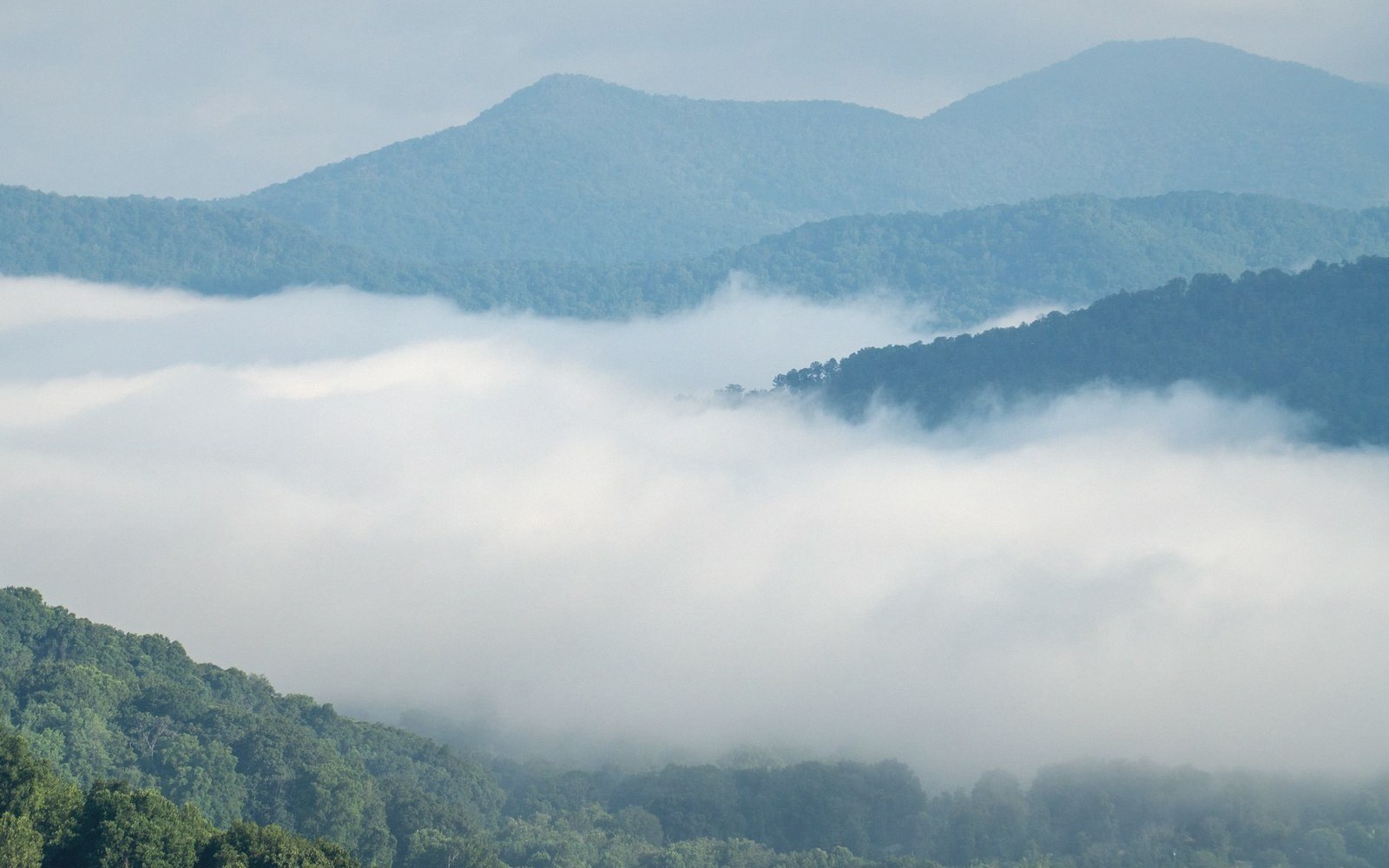
The same microhabitat underpins an enormous but mostly uncounted community of invertebrates: springtails, mites, millipedes, pseudoscorpions and land planarians, many of which have never been formally described. When Discover Life in America ↗ launched its all-taxa inventory in Great Smoky Mountains National Park, the litter and soil horizon consistently returned the highest rates of species new to science. The numbers are still incomplete decades later.
What disrupts wet litter is not dramatic. Prolonged drought is the obvious threat, but edge effects — the drying that follows any opening in the canopy — are enough. A gap thirty metres wide can reduce moisture levels in the adjacent litter measurably within a season.
Key relationships
- Litter moisturethe variable that links rainfall totals, canopy cover, soil biology and salamander survival in a single chain
- Plethodontid dependencyno lungs, breathe through skin, require continuous dampness; the floor is not just shelter but respiratory apparatus
- Earthworm invasionintroduced species process litter faster than it accumulates; native earthworms are sparse in the range and glaciation never reached it, so invaders have an outsized effect
Invasive earthworms introduced with nursery stock are a subtler problem: they process the litter faster than the forest replaces it, thinning the mat and exposing mineral soil. The soil never had earthworms of its own; the ice did not reach here, but neither did native earthworm lineages penetrate far into the southern range after the last glaciation.
None of this is visible from a trail. The wet litter looks like debris. It is, instead, the thing the rest of the forest is built on.