Never Glaciated
The Pleistocene ice sheets halted well north of the Southern Appalachians, and a mountain range that escaped the scraper kept everything it had ever accumulated.
The Line the Ice Did Not Cross
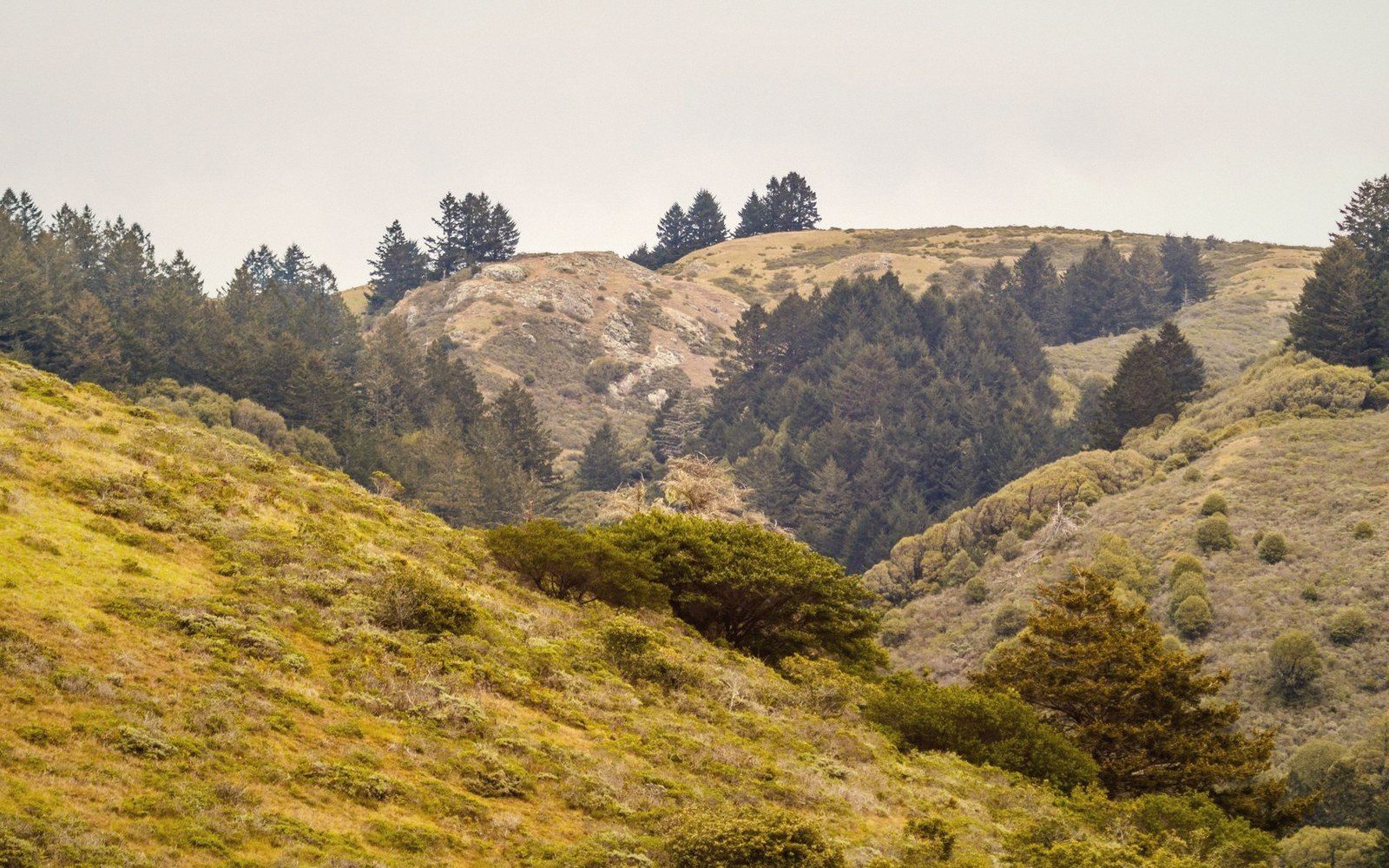
During the Pleistocene glaciations — the last of which peaked roughly twenty thousand years ago — the Laurentide Ice Sheet spread south across much of North America but stopped in what is now Pennsylvania and Ohio. The Southern Appalachians saw no glacial advance. No ice overrode the ridges, no meltwater floods rearranged the drainages wholesale, no terminal moraines dammed the valleys. The physical landscape was shaped by older forces entirely.
That absence is the single most important fact about Southern Appalachian biodiversity. Glaciation is a biological reset: it scrapes off soil, extirpates populations and forces survivors into refugia, from which recolonization is slow and never complete. A range that escaped all of that keeps its lineages intact. Species accumulate across geological time without periodic culling, and the Southern Appalachians have had an extraordinary amount of geological time to work with — a range older than the Alps that was already ancient when the Pleistocene began.
Chronology
- ~20,000 years agoLast Glacial Maximum; ice sheet at its southern limit
- 1790sAndré Michaux botanizing the range, collecting species new to science
- 19th centuryAsa Gray maps Appalachian–East Asian disjunct distributions
- 1998Discover Life in America launches the all-taxa inventory in Great Smoky Mountains National Park
- Early 20th centurychestnut blight removes Castanea dentata from the canopy
- Ongoingbalsam woolly adelgid killing mature Fraser fir on high summits
The practical result is that taxa found nowhere else on Earth occur here at densities unusual for a temperate mountain system. The plethodontid salamanders are the most-cited example: more species of lungless salamander inhabit these mountains than exist on most continents. Endemism is not scattered but concentrated — certain genera barely extend beyond the Blue Ridge, and some species occupy a single watershed or a single ridge. Discover Life in America's all-taxa inventory in Great Smoky Mountains National Park has documented this accumulation systematically since 1998, returning species counts that continue to surprise specialists.
Refugia Running Both Ways
The unglaciated range did not merely hold its own species through the cold periods — it also received species retreating south ahead of the ice. The Southern Appalachians functioned as a refugium for northern lineages that colonized downslope as temperatures fell and then, for some, failed to retreat fully when the ice withdrew.
Key contrast
- Laurentide Ice Sheetadvanced to Pennsylvania and Ohio; Southern Appalachians received no glacial advance
- Biological reset vs. accumulationthe core distinction the article builds from
The botanical record shows this clearly. Asa Gray, who mapped the disjunct distributions of Appalachian and East Asian flora in the nineteenth century, was documenting one outcome of this dynamic: plants that survived glacial intervals in unglaciated southern refugia, with close relatives persisting in parts of Asia that the Pleistocene similarly spared.
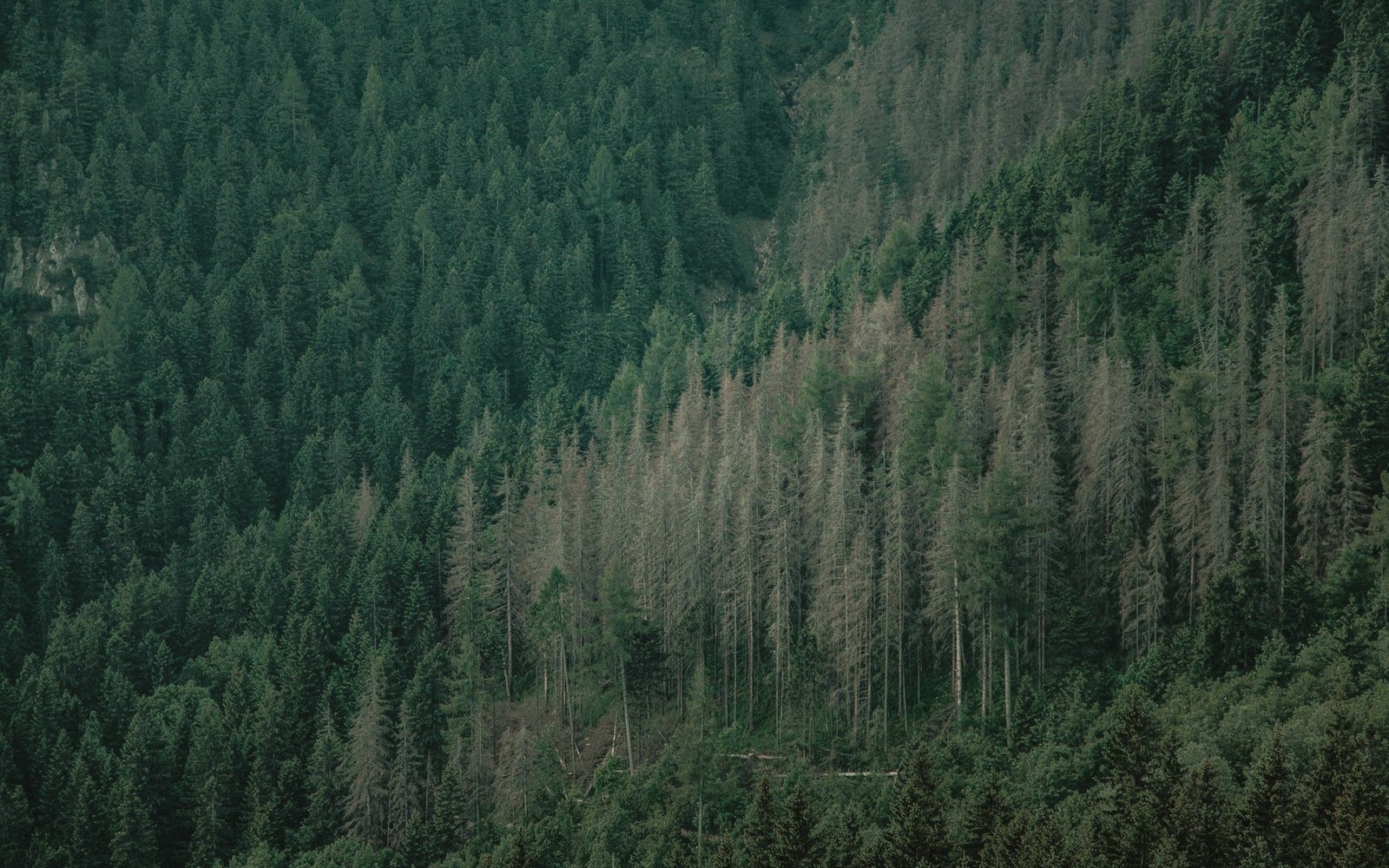
André Michaux, botanizing through the range in the 1790s, was collecting from a flora that had been accumulating undisturbed for far longer than European naturalists imagined. The plants he sent back to Paris — many of them new to science — were not curiosities of a young landscape. They were the inventory of a very old one that had kept its stock.
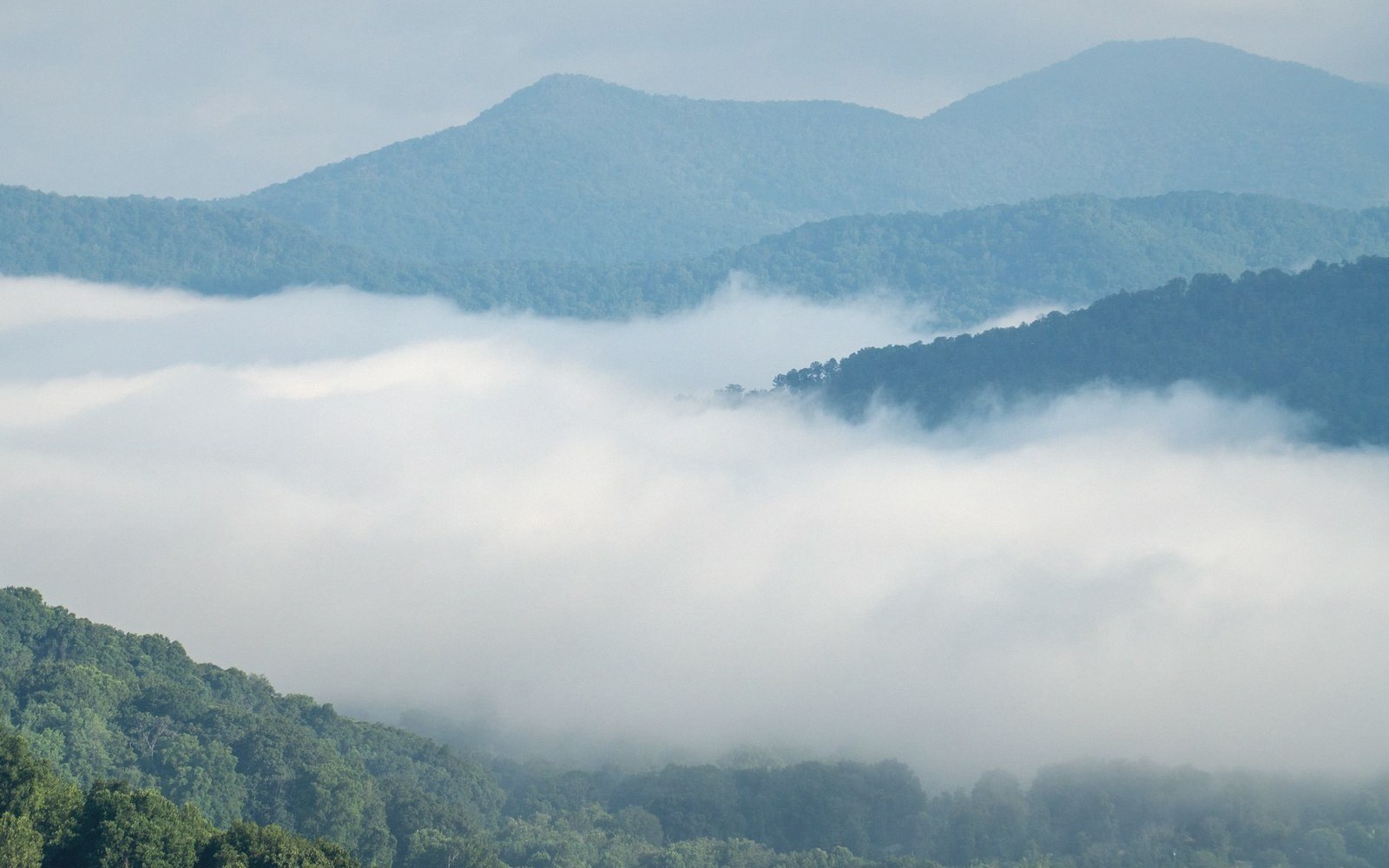
The highlands also created vertical refugia. As climate cooled, boreal species tracked suitable temperatures downslope; as it warmed, they retreated upward. The red spruce and Fraser fir communities now stranded on the highest summits — Clingmans Dome, the Black Mountains, the Roan Highlands — are the upslope remnants of forests that once extended far lower. They are relict populations, geographically isolated not by ice but by the warming that followed it.
What Accumulation Looks Like
The diversity is not uniform across the range. Cove forests — the sheltered, deep-soil communities in protected hollows — carry exceptional richness because they combine high moisture, moderate disturbance and, crucially, uninterrupted occupancy. Joyce Kilmer Memorial Forest in the Nantahala is one of the places where that occupancy is visible in the canopy structure: trees of a size that require not just absence of logging but centuries of undisturbed growth. The cove and ridge landscape is the physical expression of the same long-term stability.
The corollary is fragility. Lineages that accumulated slowly in a stable system did not evolve resilience to rapid wholesale change. The chestnut blight, which destroyed Castanea dentata across the range in the early twentieth century, demonstrated how quickly a single external pressure could unpick what had taken millions of years to build. The balsam woolly adelgid is doing the same to Fraser fir right now. A mountain range that escaped the Pleistocene intact has no particular immunity to the Anthropocene.
The ice stopped north of here. What that means, ultimately, is that the damage done since has no glacial precedent to hide behind.