Cove and ridge
Walk a few hundred metres uphill, or shift from a north-facing hollow to a south-facing spur, and you step through what took other landscapes many kilometres to achieve.
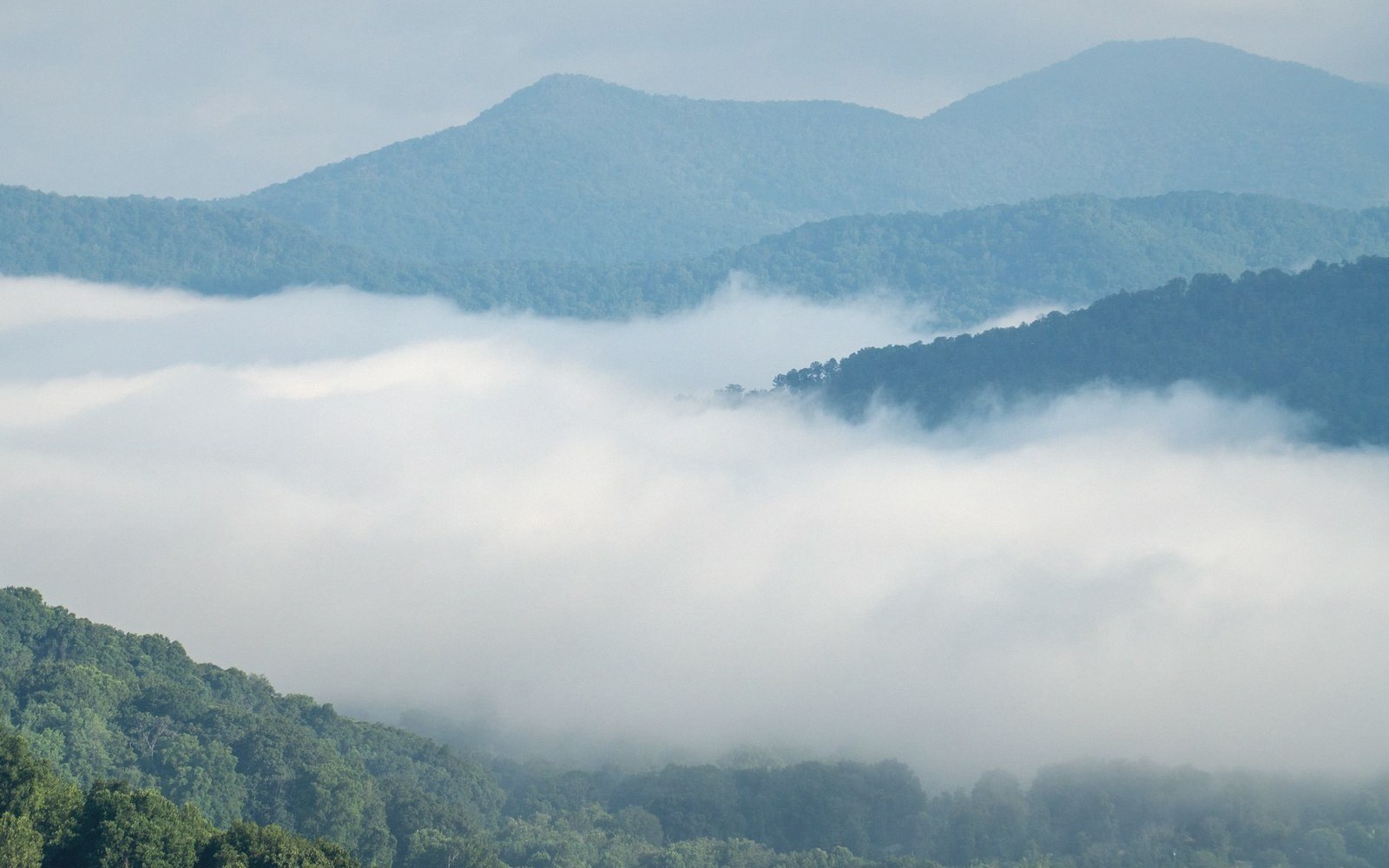
The forest is not uniform
Southern Appalachian topography is intricate enough that aspect, elevation, and moisture act almost independently of latitude. A cove — a sheltered, concave hollow — concentrates cold air drainage, catches runoff from surrounding slopes, and keeps its soil deep and constantly renewed by leaf fall from above.
The result is cove forest: tulip poplar, basswood, buckeye, and several species of magnolia growing together in a canopy density that dims the floor even in early spring. Joyce Kilmer Memorial Forest, in the Nantahala, is the most visited example of an old-growth stand, with tulip poplars exceeding four feet in diameter.

Step out of the cove and onto the adjacent ridge, and the vegetation shifts dramatically. Exposed spurs — especially those facing south or southwest — lose moisture fast. Chestnut oak and Table Mountain pine replace the mixed mesophytic assemblage; the litter is thin, the soil rocky, the canopy more open. The same elevation bracket that holds dense cove forest on one face holds dry scrub twenty metres away on the other.
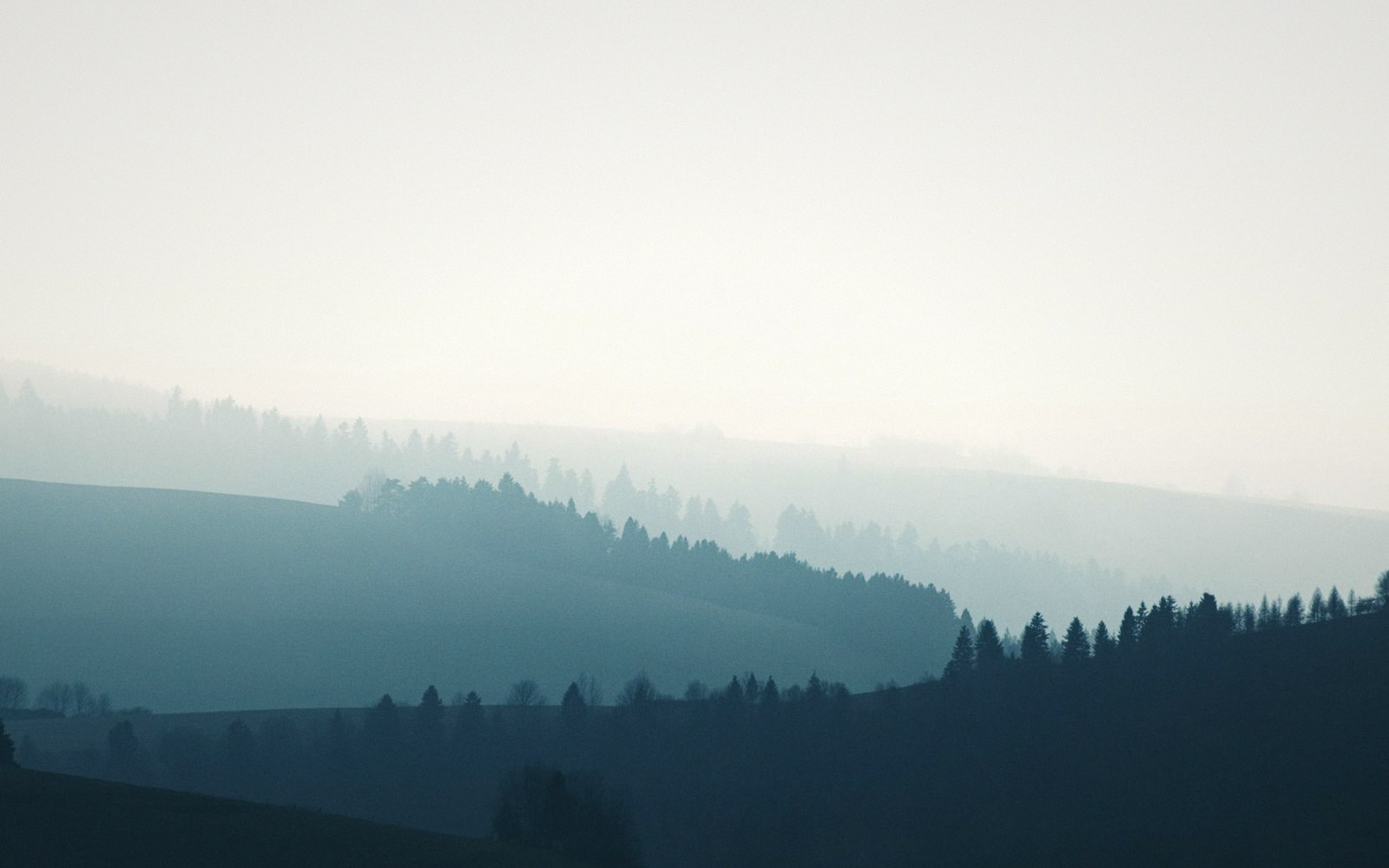
Elevation compounds the contrast. Above roughly 1,500 metres in the Great Smoky Mountains and the Black Mountains, red spruce begins to appear among the hardwoods, then takes over entirely, eventually joined by Fraser fir on the highest ground. On Mount Mitchell, the highest summit in the eastern United States, this transition happens within a few hundred vertical metres.
Key contrasts
- Cove vs. ridgesame elevation, opposite moisture regimes; forest composition shifts in metres
- South-facing spur vs. north-facing hollowaspect drives soil depth, canopy density, and species composition
- Elevation gradienthardwood cove forest grades into red spruce and Fraser fir within a short vertical rise
What holds all of it together is the fine-grained relief of a range that was never glaciated and never flattened. Distinct microclimates persisted across every period of climatic stress, sheltering lineages that would have been erased on simpler terrain. The coves are not merely scenic features; they are the mechanism by which the Southern Appalachians held onto their biological inventory through tens of thousands of years of upheaval.