Elisha Mitchell
Died in 1857 while re-measuring the peak that now carries his name, in a dispute about which summit was highest.
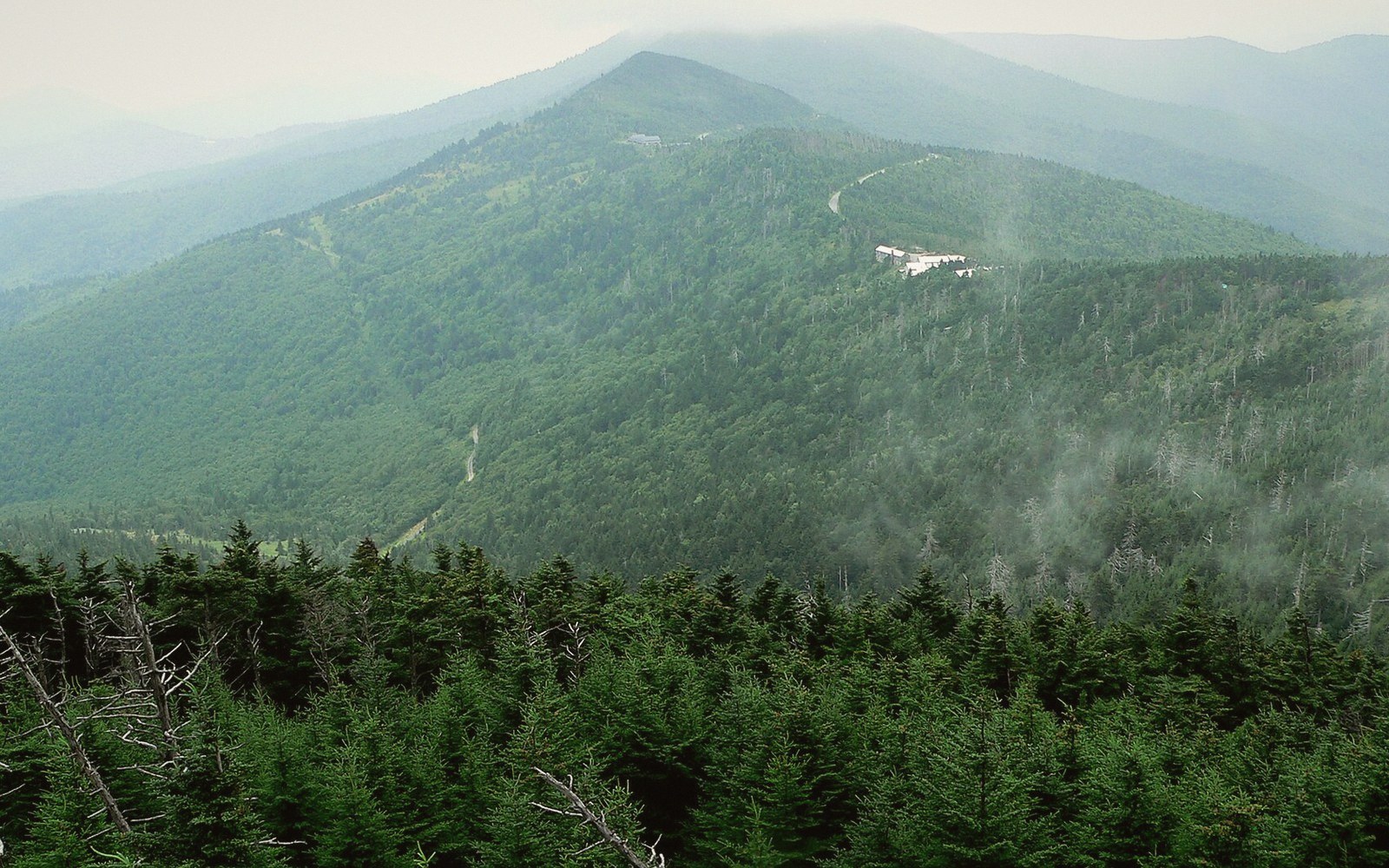
The man who measured twice, and fell
A professor of mathematics, chemistry and geology at the University of North Carolina at Chapel Hill, Elisha Mitchell first climbed into the Black Mountains in 1835 and came back with a barometric elevation figure that, when converted, placed the highest summit well above anything else in the eastern United States. The measurement was rough by modern standards — atmospheric pressure fluctuates, and the instruments of the 1830s amplified every source of error — but the number Mitchell recorded was in the right neighbourhood, and it changed how people understood the scale of Southern Appalachian terrain.
He returned to the range in 1838 and again in 1844, refining the figure each time. By then the name "Black Mountains" described a whole massif: a short, dense cluster of summits in what is now Yancey County, North Carolina, all of them topping six thousand feet. Mitchell's repeated measurements put the tallest point at about 6,672 feet above sea level. The modern accepted figure, established by survey, is 6,684 feet — close enough to flatter the old barometric method more than it should. that flatters the old barometric method more than it should.
The dispute and the fall
The trouble began when Thomas Clingman, a North Carolina congressman and amateur naturalist who had climbed the peak in 1855, publicly claimed that Mitchell had measured the wrong summit and that Clingman's own reading was both more accurate and better located. The argument was partly scientific and partly personal: Clingman was a competitive man, and the question of who had correctly identified the highest point in the East carried genuine prestige. Mitchell, in his sixties and stung by the challenge, resolved to go back and prove his original identification correct.
Chronology
- 1835Mitchell's first barometric measurement in the Black Mountains
- 1838, 1844Return climbs; figures refined
- 1855Clingman publicly disputes Mitchell's summit identification
- June 1857Mitchell dies on the mountain during a return climb
- 1858Reburied on the summit; peak formally named Mount Mitchell
- 1915Mount Mitchell State Park established, first state park in North Carolina
In June 1857 he climbed into the Black Mountains with a local guide, then separated from the party to descend alone by a route he believed he knew. He was found dead at the base of a waterfall several days later, apparently having lost his footing in the dark on wet rock. He was sixty-four years old.
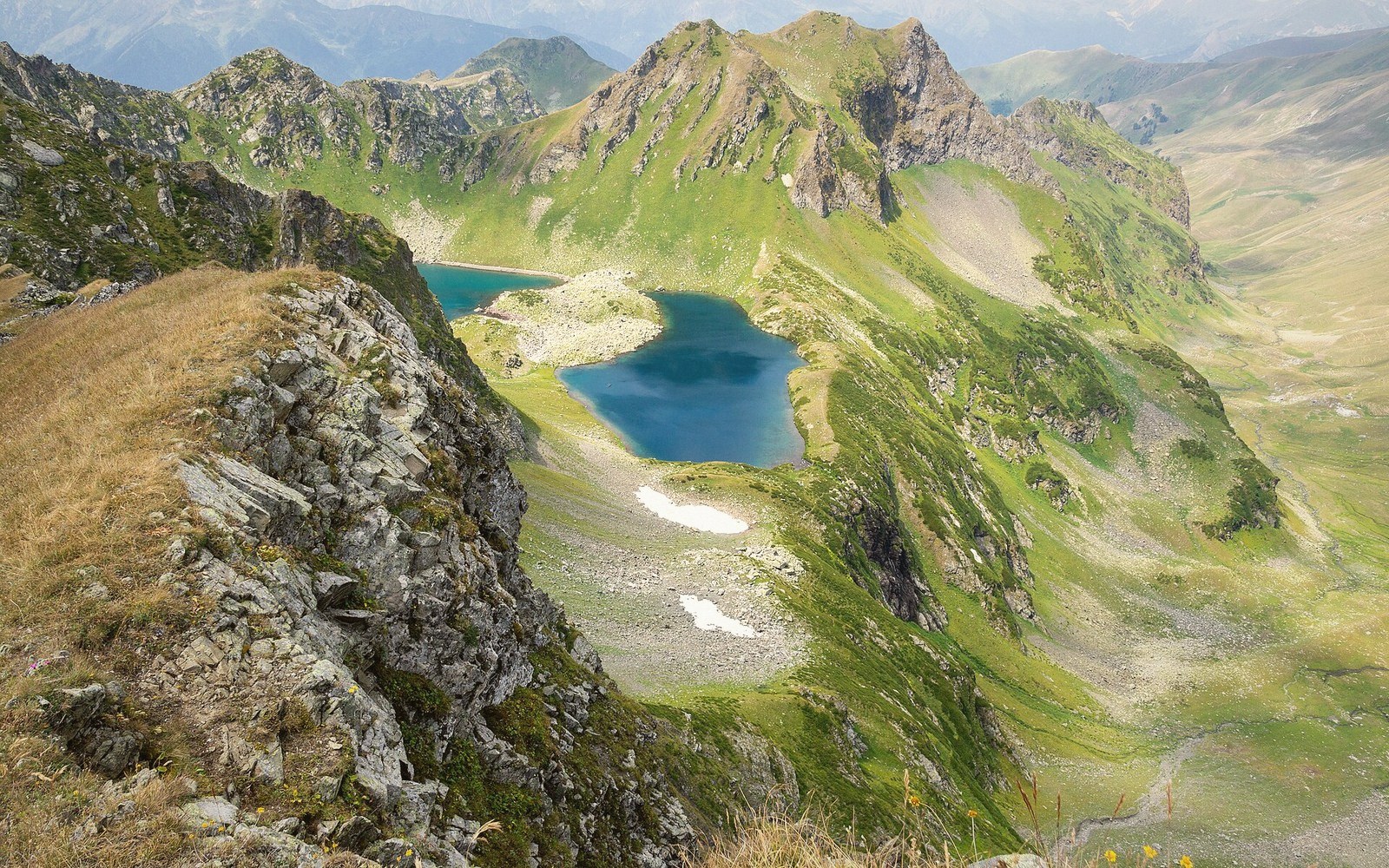
His body was carried down from the mountains and initially interred in Asheville. Within a year, and at the urging of colleagues and the state, he was reburied on the summit of the peak he had spent two decades measuring. The grave remains there, marked by a modest monument, on the highest ground east of the Mississippi. The mountain was formally named Mount Mitchell in his honour, and Mount Mitchell State Park — established in 1915, the oldest state park in North Carolina — protects the summit today.

Clingman did not disappear from the map. The third-highest summit in the East, on the Tennessee–North Carolina line in what is now Great Smoky Mountains National Park, carries his name: Clingmans Dome, at 6,643 feet.
What the measurements meant
Mitchell's work was science conducted under genuine field conditions — multi-day climbs into roadless terrain, with fragile instruments and no independent check until the work was done. The dispute with Clingman pushed both men to climb more carefully and record more precisely than either might otherwise have done, which is how scientific rivalry occasionally improves the record.
The elevation that Mitchell kept measuring matters for reasons beyond priority. The Black Mountains' height drives the region's coldest temperatures, supports the most southerly stands of red spruce and Fraser fir in the Appalachians, and forces enough orographic precipitation to sustain the biological richness that later surveyors and naturalists — Asa Gray among them — would spend careers trying to understand. Mitchell was the first to put a credible number on that height, and the number turned out to be right.