André Michaux
The French botanist climbed Grandfather Mountain in 1794 convinced he had reached the highest point in North America and sang the Marseillaise at the top.
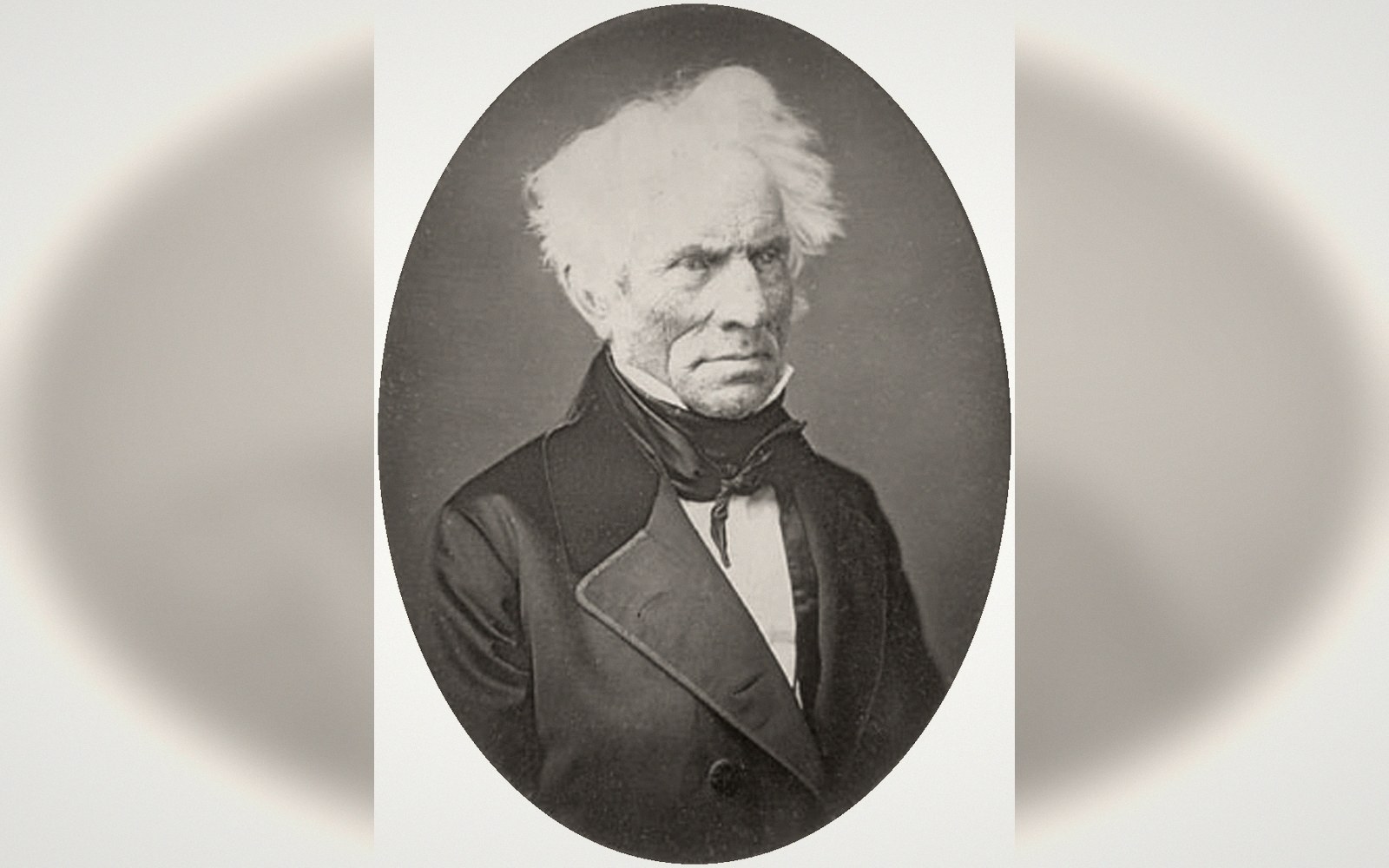
The botanist who sang on the wrong summit
France's greatest plant collector reached the Southern Appalachians at the end of a career that had already taken him to Persia and Hudson Bay — and left a herbarium that still shapes how North American botany is done.
A life in the field
André Michaux arrived in North America in 1785, dispatched by the French crown to find trees that might be grown back home for timber and naval stores. He was not a drawing-room naturalist. He had already spent years collecting in England and the Levant, and he was well accustomed to hardship and danger in the field. He established nurseries near New York and outside Charleston, used them as staging depots for specimens, and then ranged relentlessly — Hudson Bay in summer, Florida in winter, and the mountains in between whenever the season allowed.
Key dates
- 1785Michaux arrives in North America, establishes nurseries near New York and Charleston
- 1794Climbs Grandfather Mountain; believes it the highest point in North America
- 1803Flora Boreali-Americana published posthumously; son François-André completes it
- 1857Elisha Mitchell dies re-measuring the peak that proves Michaux's summit wrong
The Southern Appalachians suited him in ways that a lowland flora would not. Endemism was high, the elevational range compressed enough to survey on foot, and the cove forests — deep, moist hollows where tulip poplar, basswood, and magnolias crowd together under the ridgelines — carried tree species almost unknown in Europe.
His collections from these hollows fed directly into his monumental Flora Boreali-Americana, published in 1803, a year after his death on Madagascar. His son François-André completed and edited the work, which remained the authoritative treatment of the eastern North American flora for decades. Asa Gray ↗ drew on it a generation later when building the systematic foundation that American botany still rests on.
The herbarium Michaux deposited at the Muséum National d'Histoire Naturelle in Paris survives intact and remains a primary reference. Researchers still consult pressed sheets he handled in the 1780s and 1790s to settle questions of nomenclature and type specimens.
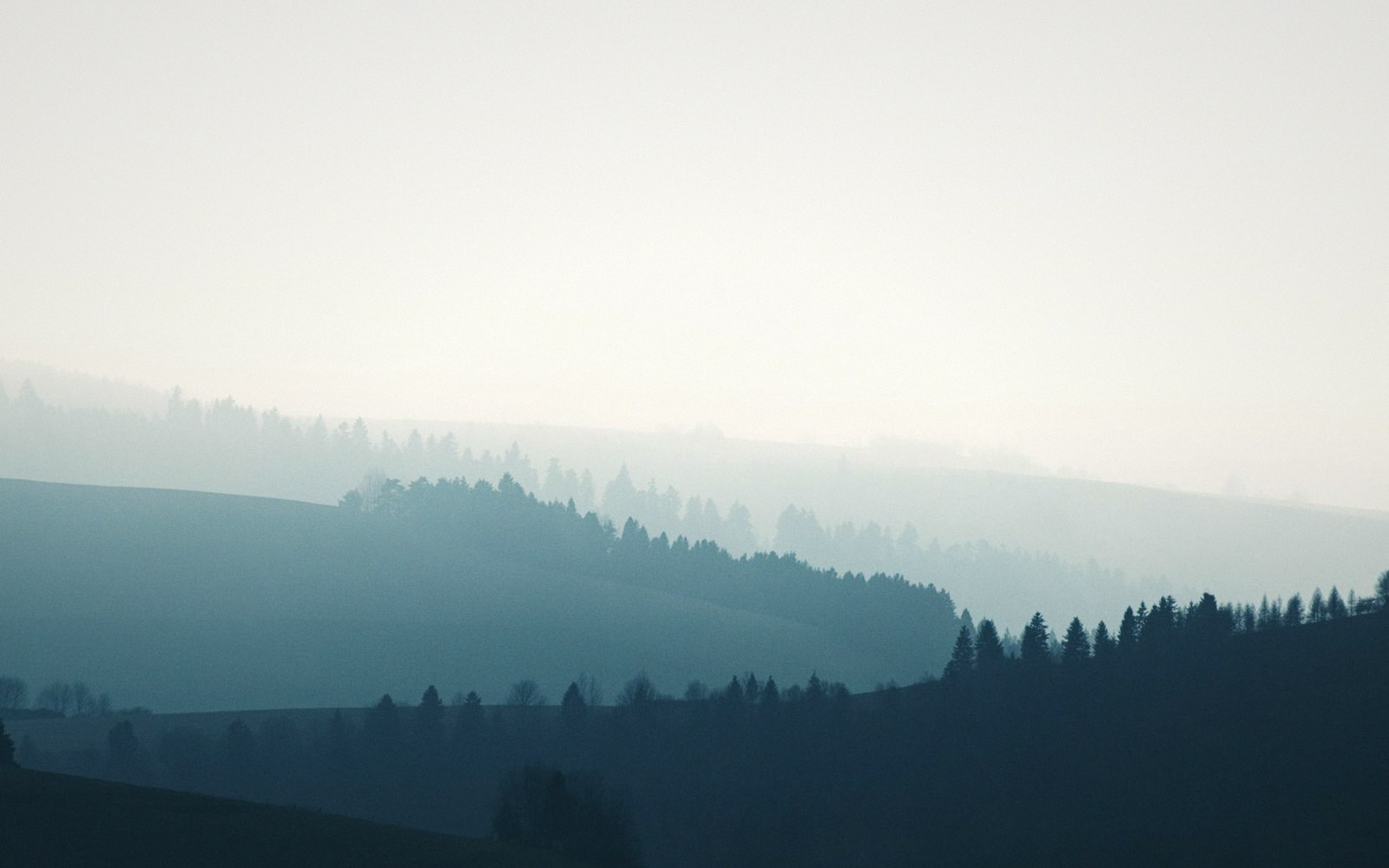
The summit and the song
In August 1794, Michaux climbed Grandfather Mountain ↗, the dramatic peak in the Blue Ridge that juts north of the main escarpment line and remains one of the botanically richest sites in the range. He was convinced, on the basis of what information existed, that he had reached the highest point in North America. At the summit he sang the Marseillaise — the revolutionary anthem barely two years old — shouted republican slogans, and recorded the moment in his journal with undisguised elation.
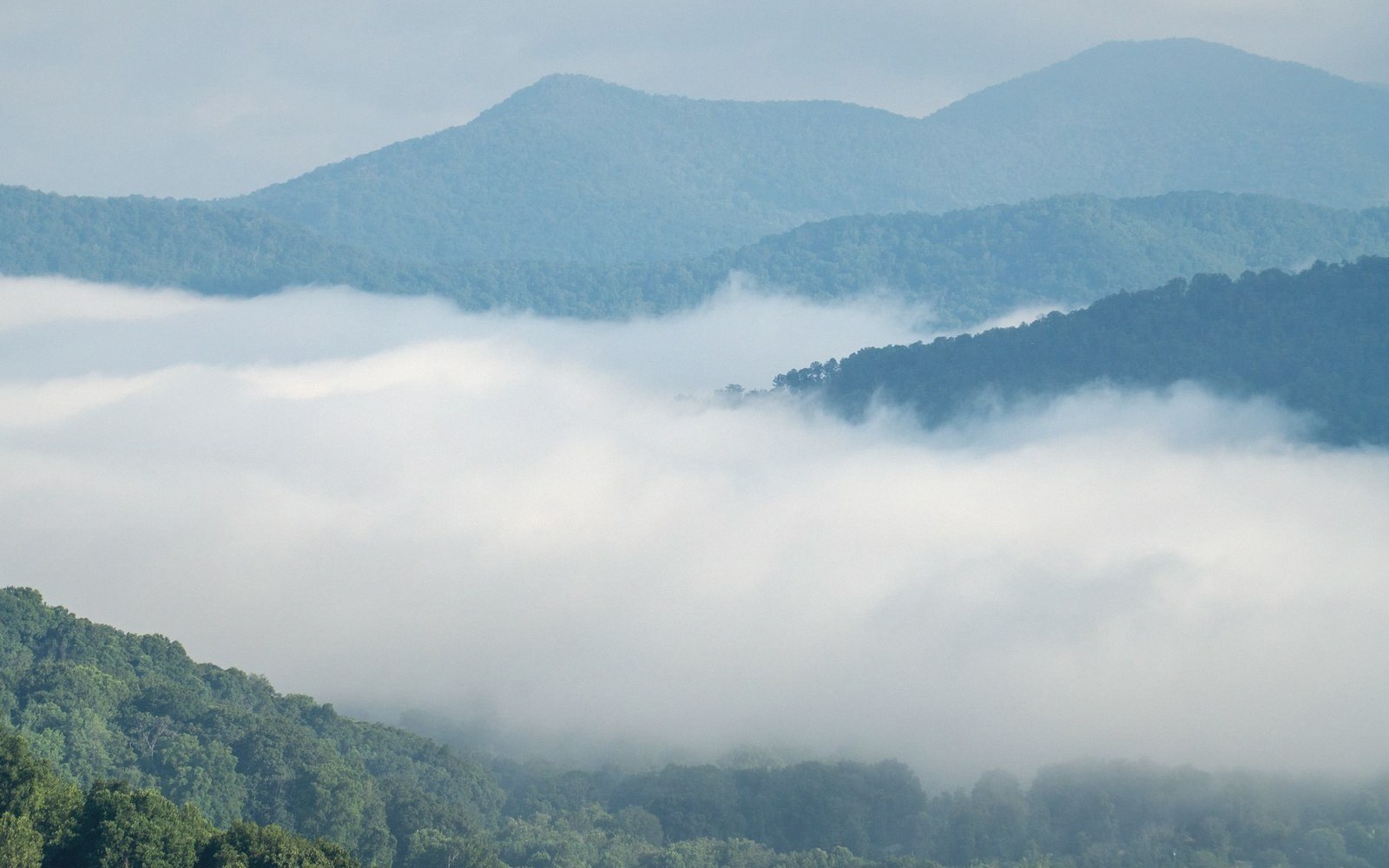
He was wrong about the elevation, though not absurdly so by the standards of the day. Grandfather Mountain reaches roughly 5,946 feet (1,812 m). Mount Mitchell, in the Black Mountains some distance to the southwest, tops out above 6,684 feet (2,037 m) and is the true high point of the Appalachians and of all eastern North America.
The herbarium
- Held at the Muséum National d'Histoire Naturelle, Paris
- Still consulted for type specimens and nomenclatural questions
- Source of the Shortia galacifolia specimen that Asa Gray tracked to a living population decades after Michaux's death
The surveys that would establish that ranking lay decades in the future: Elisha Mitchell's systematic measurements came in the 1830s, and the dispute over the precise summit would cost Mitchell his life in 1857. Michaux made his ascent with no reliable altimeter and no triangulation to compare. His error was honest.
What he did bring down from Grandfather Mountain was accurate: collections of plants that included species new to science, documented from a mountain whose exposed rocky slopes and heath balds support vegetation unlike anything in the adjacent lowlands. The Roan Highlands and the peaks of the Black Mountain crest shelter comparable assemblages, but Grandfather's quartzite outcrops and its position at the northeastern shoulder of the high country give it a flora with some genuinely distinct elements.
Michaux's name is embedded in the taxonomy of the flora he collected. Rhododendron catawbiense, the catawba rhododendron that blankets the high balds in June, appears in accounts rooted in his work. Shortia galacifolia — Oconee bells, a small woodland plant of considerable rarity — was described from a specimen he collected; Asa Gray spent years searching for the living plant after finding it, unnamed, in Michaux's Paris herbarium. That search, and the discovery of a living population in the 1870s, became one of the minor legends of American botanical history.
The journey from a royal commission in 1785 to a revolutionary song on a misidentified summit in 1794 traces the turbulence of the era as clearly as it traces the man. The botany, at least, was right.