Counting Everything
A systematic effort to name every organism in one national park has been running for decades, and the list still isn't finished.
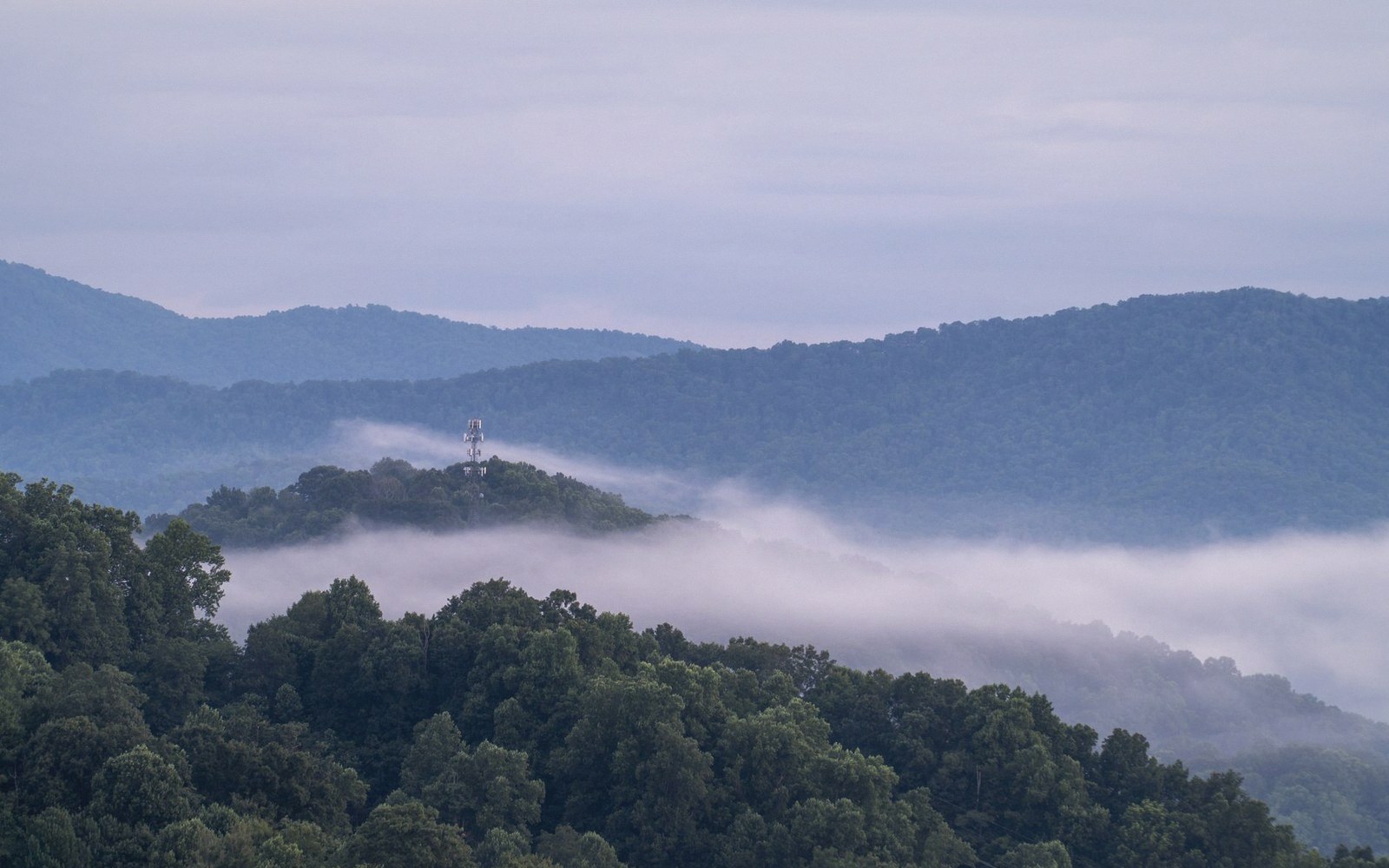
The Inventory That Has No End
In 1998, a coalition of scientists and the Great Smoky Mountains National Park ↗ launched the All Taxa Biodiversity Inventory — ATBI for short — under the coordination of Discover Life in America, the nonprofit created to manage it. The premise was straightforward and the execution was not: identify every species living within the park's roughly 520,000 acres. No national park had attempted it at that scale.
The Smokies were the right choice. The range's age and the fact that it was never glaciated meant that species had been accumulating and diversifying for an extraordinary span of time. Endemism — the condition of occurring nowhere else — runs high here, and the cove forests and wet ridges hold communities that are still only partially described. Before the inventory began, the park's known species count stood at around 10,000. That figure, it turned out, was a floor.
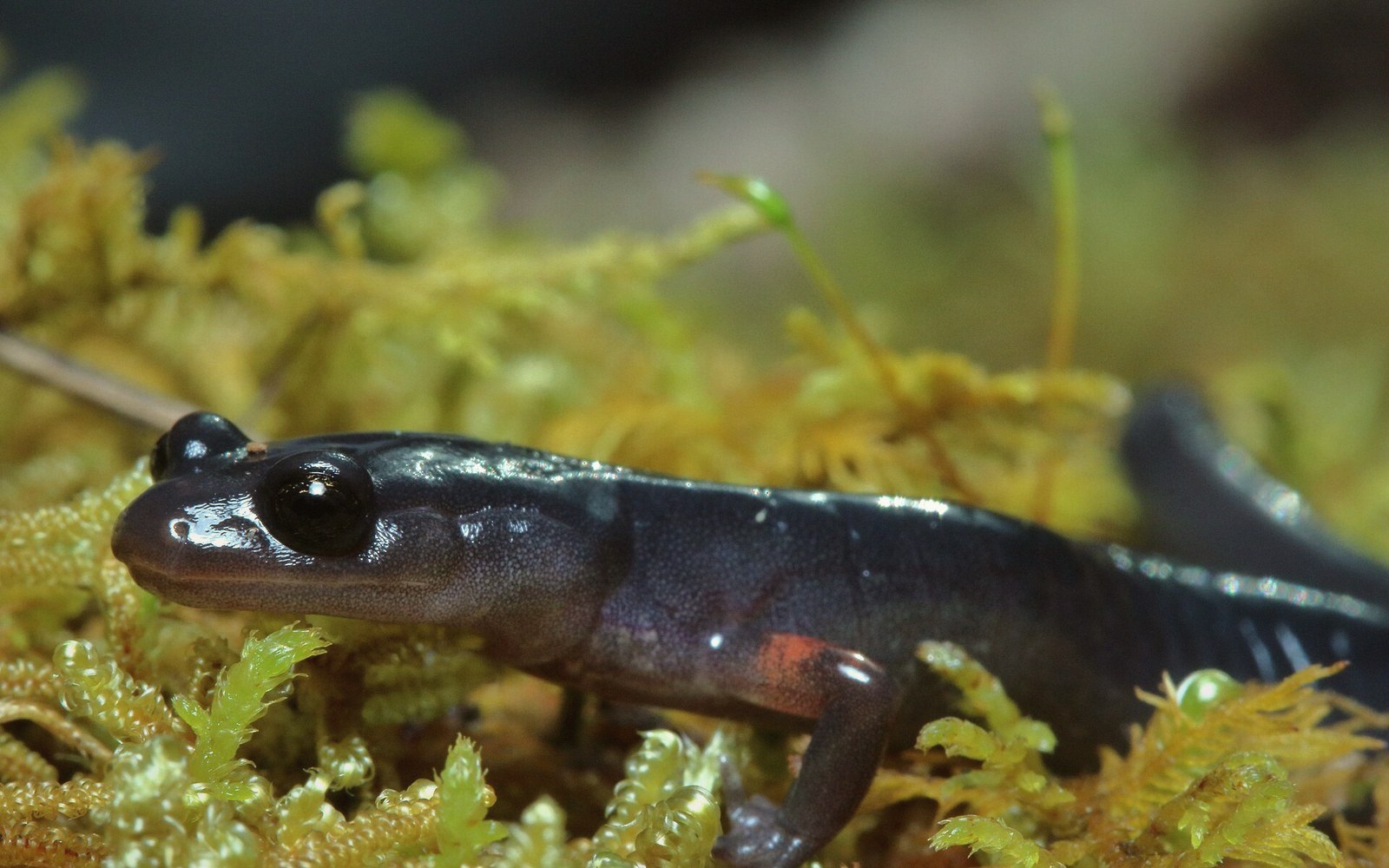
Fieldwork brought taxonomists from universities and natural history museums into the backcountry for intensive BioBlitz events and long-term sampling. They worked soil cores, swept stream margins, set light traps, and cultured fungi. Every group got attention — not just the vertebrates and flowering plants that most surveys prioritize, but nematodes, slime molds, springtails, and the full range of invertebrates that most ecosystems depend on and most inventories ignore. The plethodontid salamanders — lungless, skin-breathing, and extraordinarily diverse here — required their own focused effort given how many species are confined to single drainages.
By the early 2020s, the confirmed species count had risen past 20,000, with thousands more awaiting formal description. The inventory has produced new-to-science records regularly: beetles and moths and microscopic fungi that had no names because no one had looked carefully enough in the right place. Several hundred species have been formally described as new to science since fieldwork began.
Key figures
- New-to-science species formally described since fieldwork began: several hundred
What the ATBI makes plain is that ecological knowledge of even a well-studied landscape is radically incomplete. A park visited by millions of people each year harbored thousands of species that science had not recorded. The inventory did not finish; it simply demonstrated how much remained.