The Stumps Still Sprout
Castanea dentata is not extinct — but the distinction is narrower than it sounds.
A Blight That Doesn't Reach the Roots
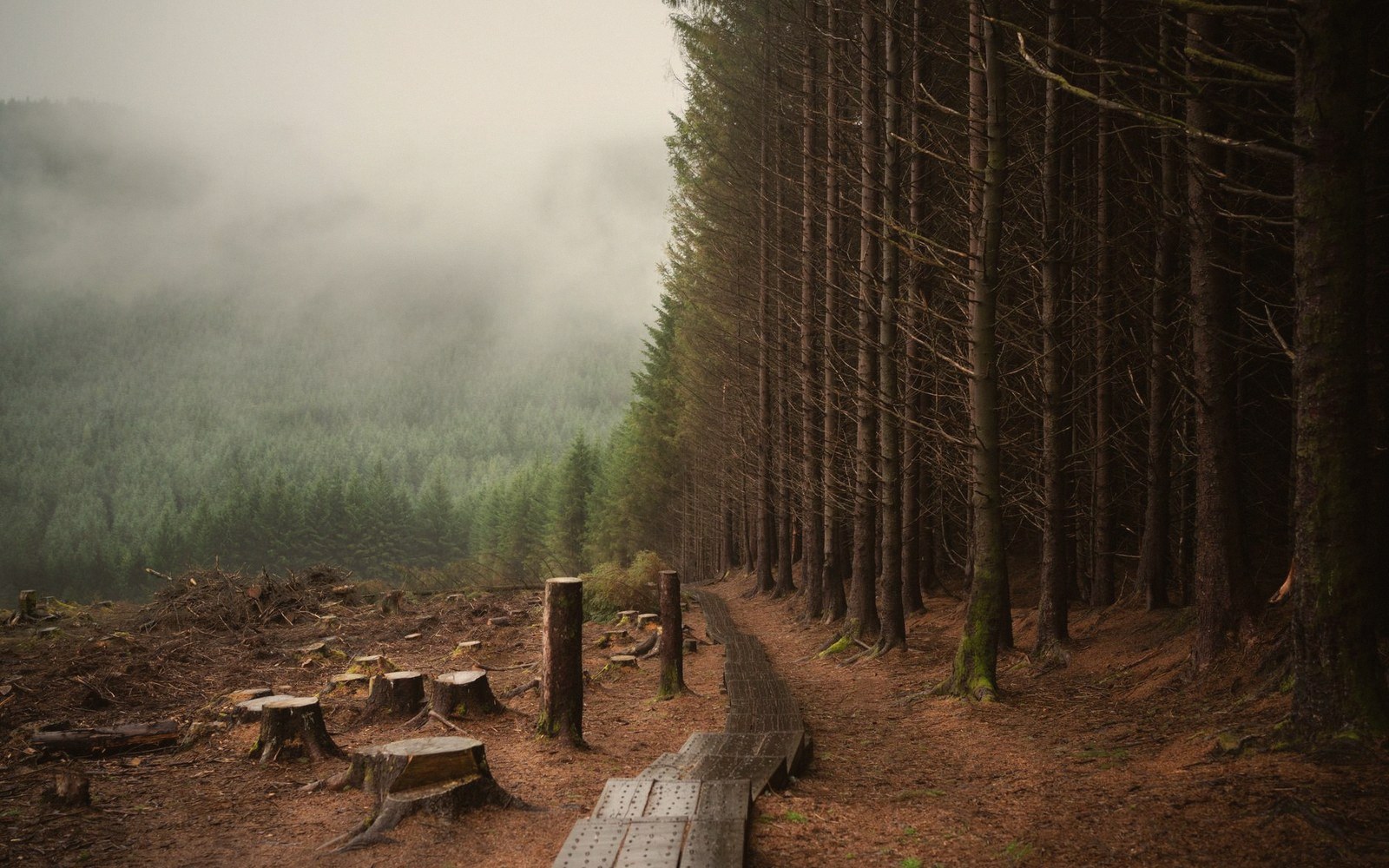
The fungus that destroyed the American chestnut, Cryphonectria parasitica, arrived at the Bronx Zoo around 1904 and had swept through virtually the entire range of Castanea dentata within fifty years. What it kills, specifically, is the above-ground stem. Spores enter through bark injuries, the mycelium spreads through the cambium, and a canker girdles the branch or trunk, cutting off the water column. The tree dies to the ground. The roots, below the reach of the canker, do not.
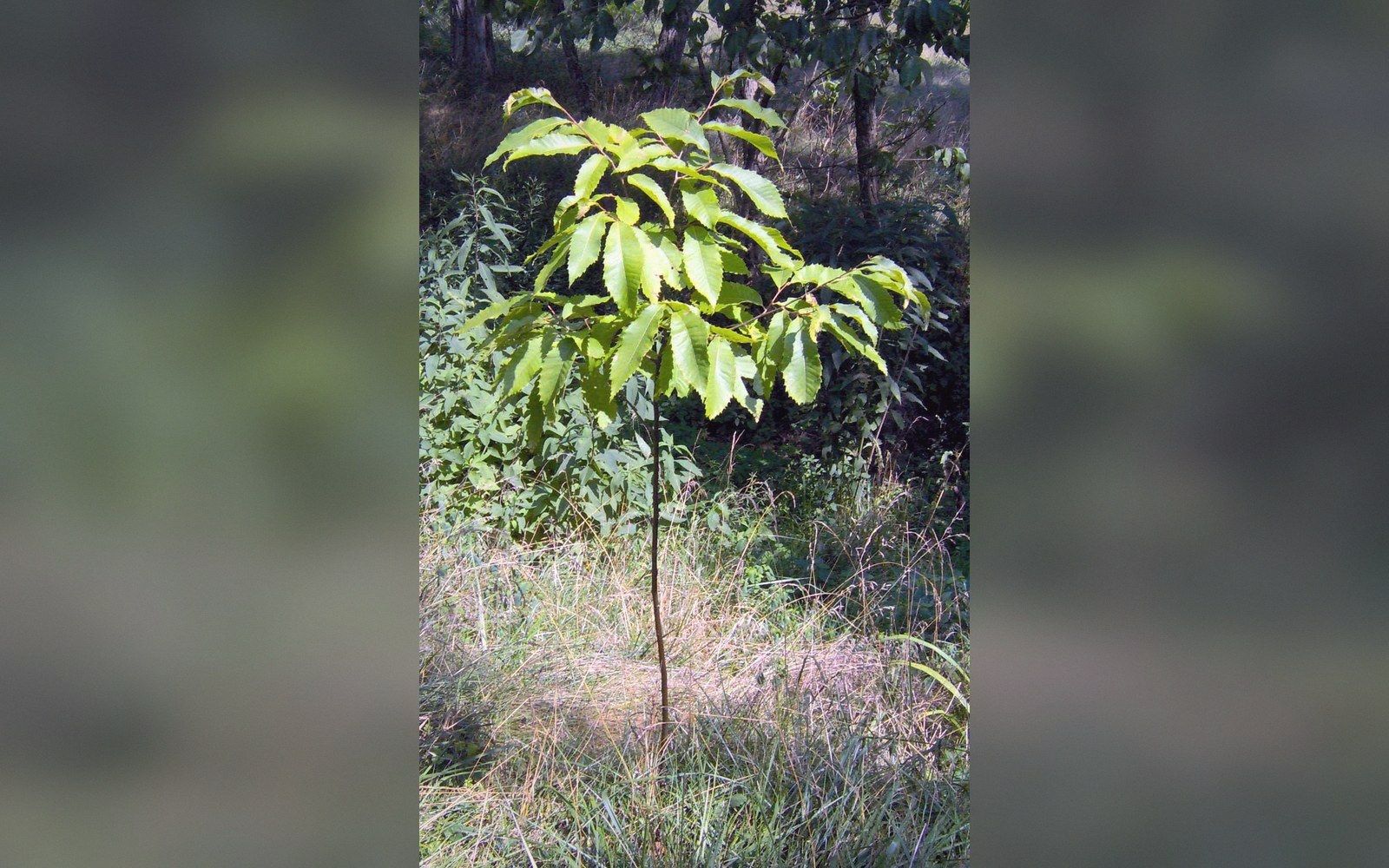
Those roots are still alive across the Appalachians — in the understory of the cove and ridge forests, along the edges of logging roads, on the lower slopes of the Black Mountains and the Roan Highlands. They send up new shoots each spring, sometimes several metres tall, and for a few years the shoots look like chestnut saplings.
What the sprouts are (and aren't)
- Root systemsstill alive below ground across much of the historic range
- Shootscan reach several metres; die before consistent reproduction
- Mast cropabsent; the canopy role is not restored by sprouting alone
- Genetic materialroot sprouts are one reason native genotypes remain accessible
Botanists can still identify the long, coarsely toothed leaves and smell the cream-colored catkins in early summer. Then the bark cracks, spores land, and the canker returns. Most stems die before they flower and set viable seed, though occasional stems do reach reproductive size briefly before the blight cycles back.
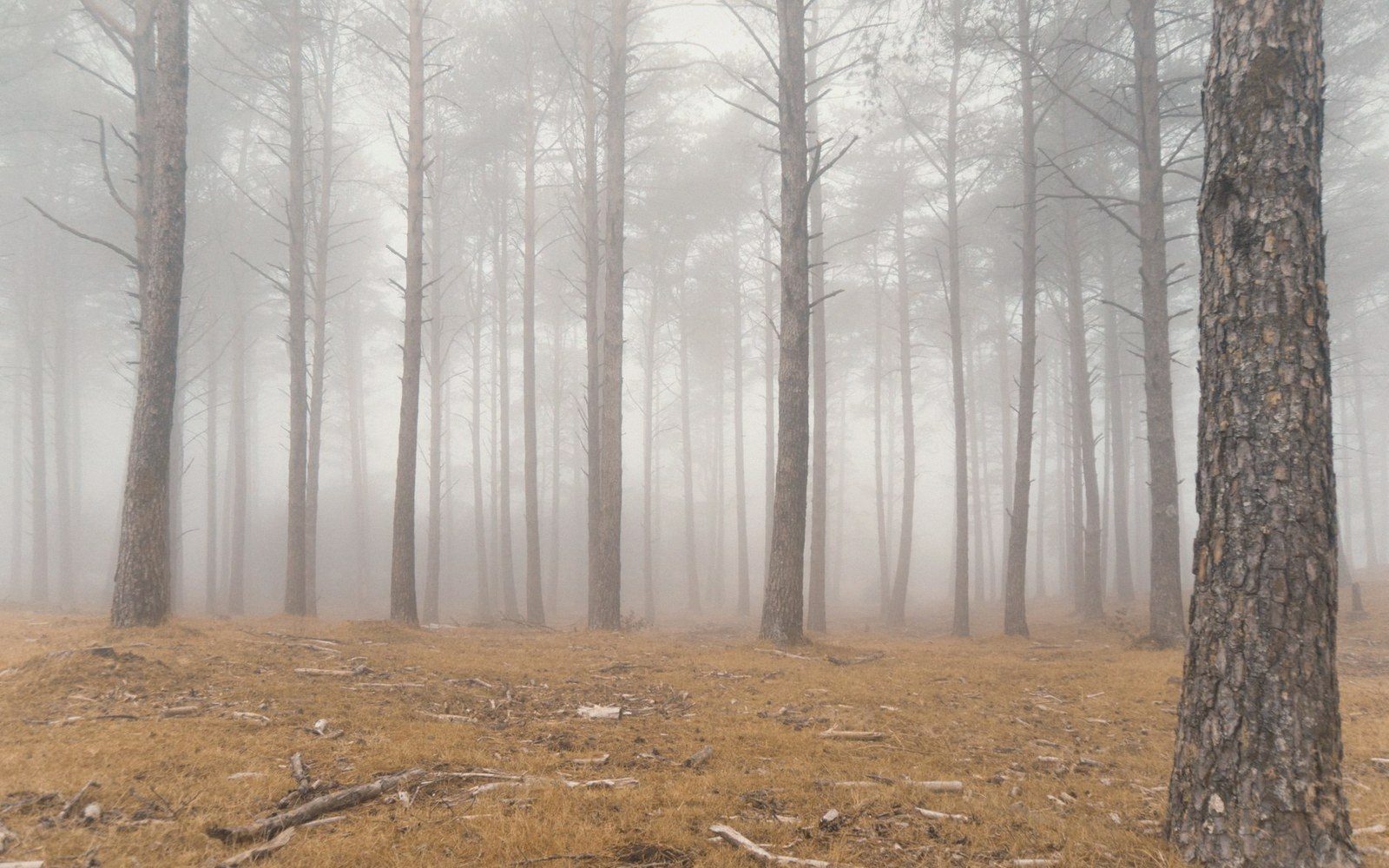
The species therefore persists as a clonal root mass that has been regenerating since the blight front passed — in many cases for more than six decades. Whether this constitutes survival in any meaningful ecological sense is debatable. The root system is alive; the canopy position, the mast crop, the structural role the tree once held — those are gone. A quarter of the hardwood canopy in some Southern Appalachian stands was chestnut before 1900. What the sprouts represent now is closer to a biological memory than a functioning population.
This is precisely what makes restoration work possible rather than hopeless. The American Chestnut Foundation, founded in 1983, has pursued backcross breeding programs using blight-resistant Chinese chestnut (Castanea mollissima) as the resistance donor, attempting to move the resistance genes into an otherwise American genetic background across successive generations.
Chronology
- c. 1904Cryphonectria parasitica first identified at the Bronx Zoo, New York
- By mid-20th centuryblight front had swept the full range of Castanea dentata
- 1983American Chestnut Foundation established
- Ongoingtransgenic oxalate oxidase line under regulatory review
More recently, a transgenic line carrying a wheat oxalate oxidase gene — which neutralizes the oxalic acid the fungus uses to kill tissue — is still under regulatory review. The living root systems in the forest are part of the reason native genetic material remains accessible at all.
The sprouts also remind anyone paying attention that Cryphonectria parasitica is still everywhere in the soil and bark of the eastern forest. Any restored tree will be planted into the same pressure. The blight didn't leave; the chestnut just learned, slowly and by proxy, to negotiate with it.