What Replaced It
Oak and hickory filled the gap, and the animals that depended on the mast did not get an equivalent.
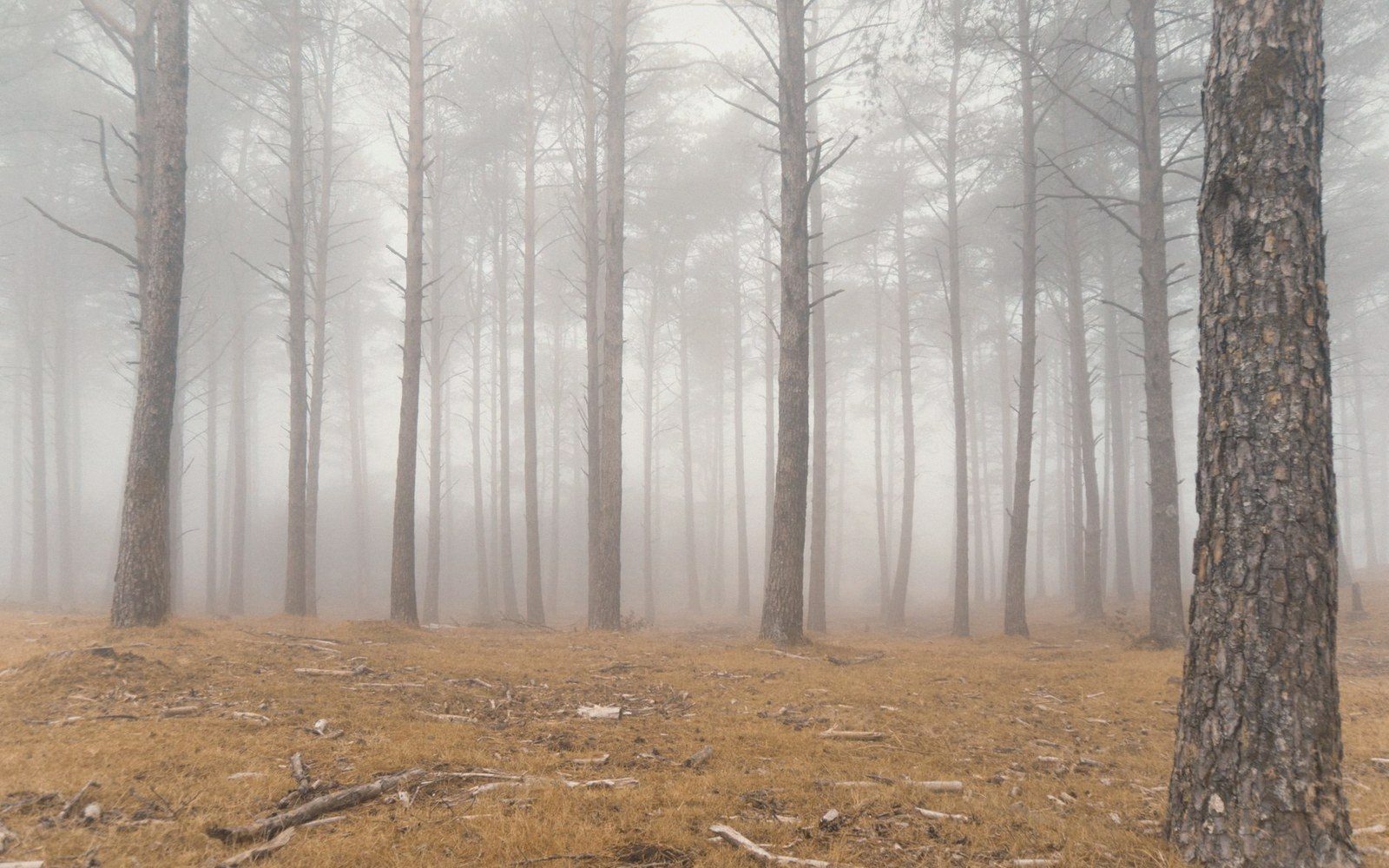
The gap the chestnut left was not filled — it was papered over
American chestnut once made up something close to a quarter of the canopy across the Southern Appalachians. When the blight arrived, it did not simply remove a tree; it removed a production system.
Chestnut mast — the dense, reliable, high-calorie nut crop that fell every autumn — had underwritten the fat reserves of black bears, white-tailed deer, wild turkeys, passenger pigeons and dozens of smaller mammals and birds. What replaced it was a coalition of oaks and hickories that produce less predictably and less abundantly, and the forest's animal community has been running on a thinner margin ever since.
What shifted and what didn't
- Canopy coverrecovered quickly as oaks and hickories filled light gaps within decades of the blight
- Mast reliabilitynot recovered; oaks mast irregularly, chestnut masted consistently
- Caloric densityhickory nuts are fat-rich but produced in smaller quantities per acre than chestnut
- Bear behaviourpoor mast years drive wider ranging, more road mortality; documented as an ongoing management pressure in the Smokies
- The substitutiondiverse, ecologically functional in many respects, but running at a structurally lower autumn-energy output
The substitution looks complete at the level of canopy cover. Red oak, chestnut oak, white oak and several hickory species moved into the light gaps left by dying chestnuts through the first half of the twentieth century. By the time Great Smoky Mountains National Park was formally established in 1934, the transition was already well underway on the lower and middle slopes. The structural gap closed quickly; the functional gap did not.
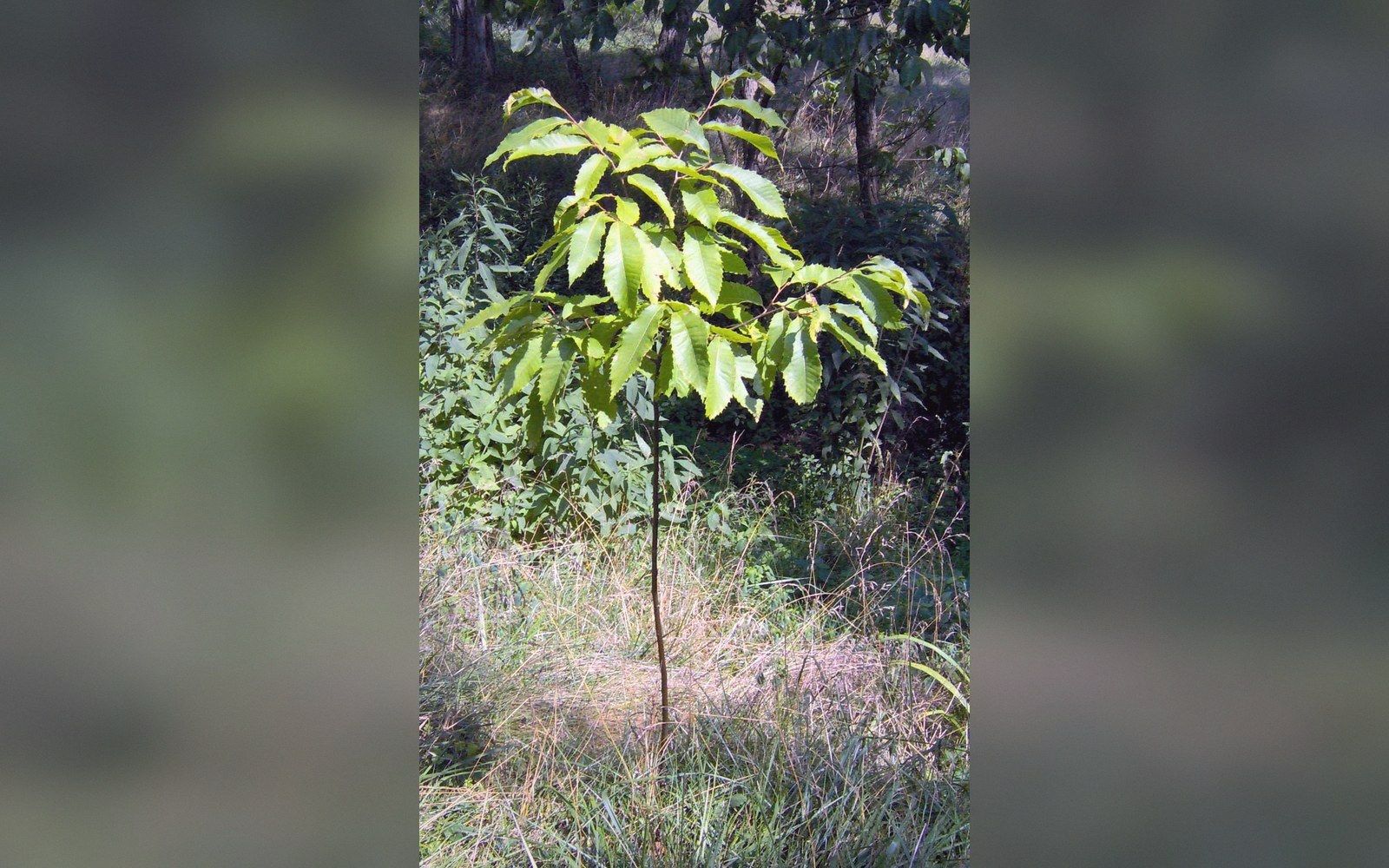
The problem is mast failure. Oaks are masting species — they synchronise heavy crops with light ones across a landscape, and the light years are genuinely lean. Chestnut was not synchronised in the same way and produced a more consistent annual crop. The shift from reliable to boom-and-bust cascades through everything that depends on autumn energy. Black bears range farther in poor mast years, increasing conflict and road mortality. Deer condition varies sharply between years. The animals adapted, but adaptation is not the same as equivalence.
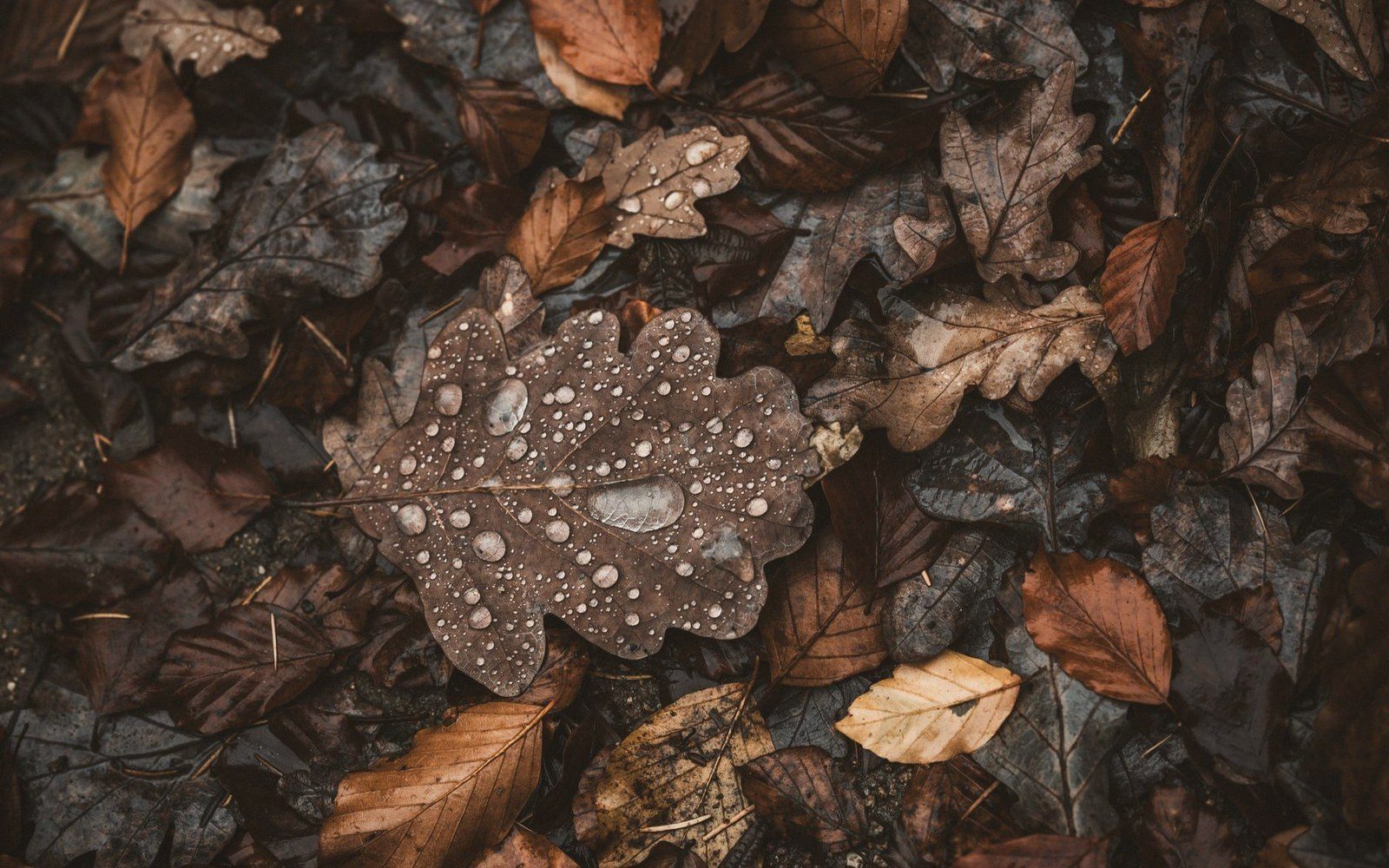
Hickory nuts are higher in fat than acorns but encased in harder shells and produced in smaller quantities per canopy acre. They compensate partly for what chestnut provided but do not replicate it. The assemblage that replaced the chestnut is diverse, which has its own ecological value, but diversity of species does not restore the sheer caloric density the chestnut floor once delivered in a good autumn.
What the forest looks like now — predominantly oaken, mixed with hickory, tulip poplar and red maple — is therefore not a recovery. It is a new equilibrium, stabilised around a lower ceiling of autumn productivity. The chestnut's absence remains a measurable condition of the present ecosystem, not a historical footnote.