The Balsam Woolly Adelgid
An introduced insect no bigger than a pinhead has reshaped the highest forests in eastern North America.
What the adelgid does
Adelges piceae, the balsam woolly adelgid, arrived in North America from Europe sometime in the early twentieth century, almost certainly in nursery stock. It was recorded in the southern Appalachians by the 1950s and reached the Fraser fir forests of the high spruce-fir zone in force by the 1960s and 70s.
The insect is a small, sap-sucking hemipteran — wingless females spend their lives fixed to bark, covered in the white waxy filaments that give the pest its name. The fir produces a hormonal response to the feeding, forming abnormal wood called gouting around the point of attachment; this constricts the flow of water and nutrients through the stem until the tree dies, usually within three to seven years of infestation.
What happened, and when
- Adelges piceaebalsam woolly adelgid; introduced from Europe, likely via nursery stock
- First detected in eastern North America: early 1900s—
- Reached southern Appalachian fir forests: recorded by the 1950s, heavy mortality from the 1960s through the 1980s—
- Mortality at some sites: above 90% of mature Fraser fir—
- Fraser fir's full natural range: high elevations above roughly 1,500 m in the southern Appalachians only—
- Recovery status: regeneration occurs but trees rarely reach maturity before re-infestation—
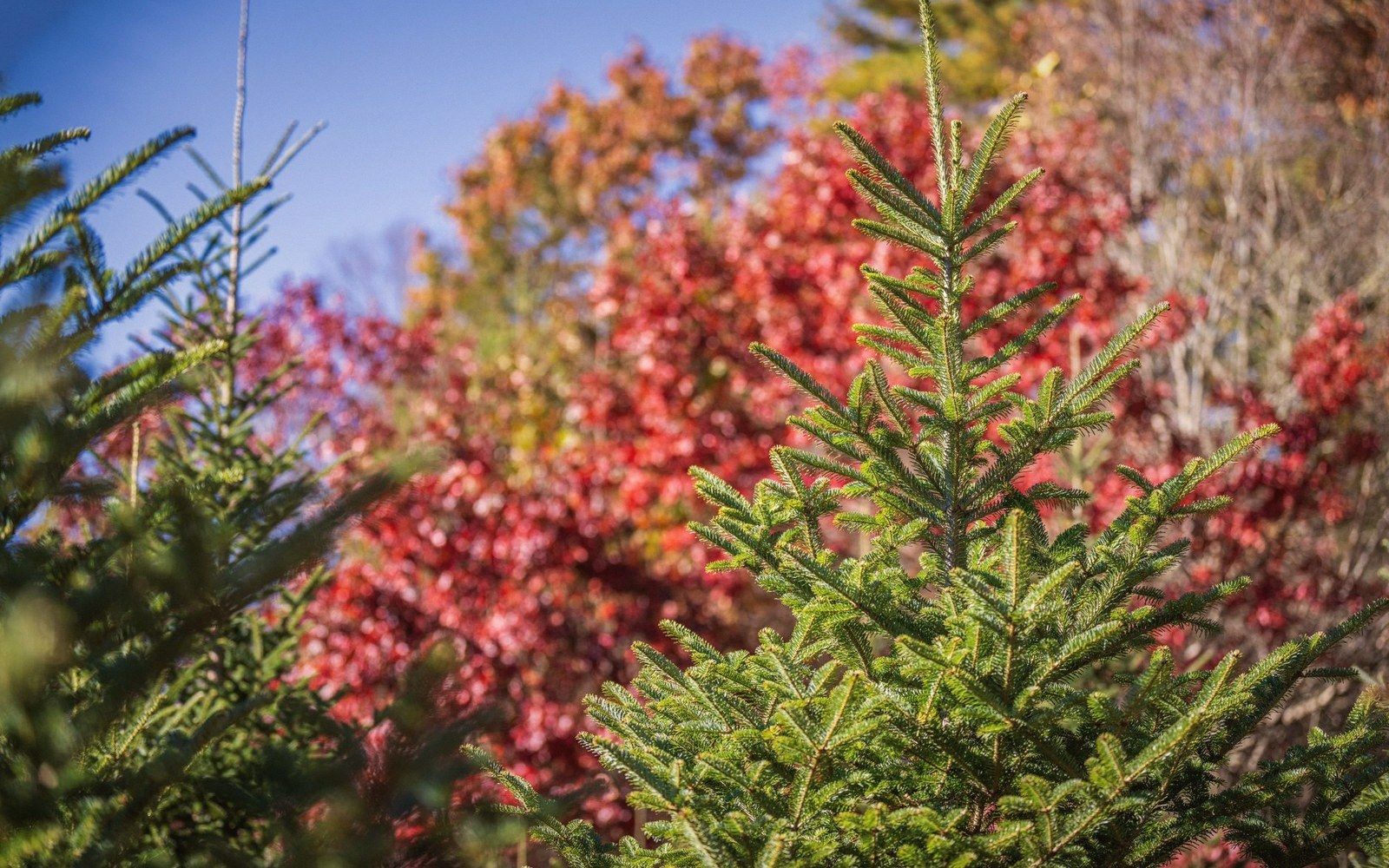
Fraser fir, Abies fraseri, is endemic to the southern Appalachians — its entire global range is a handful of high-elevation islands above roughly 1,500 metres, on peaks including Clingmans Dome, the Black Mountains, and Roan Highlands. It had no evolutionary exposure to Adelges piceae and no resistance to it.
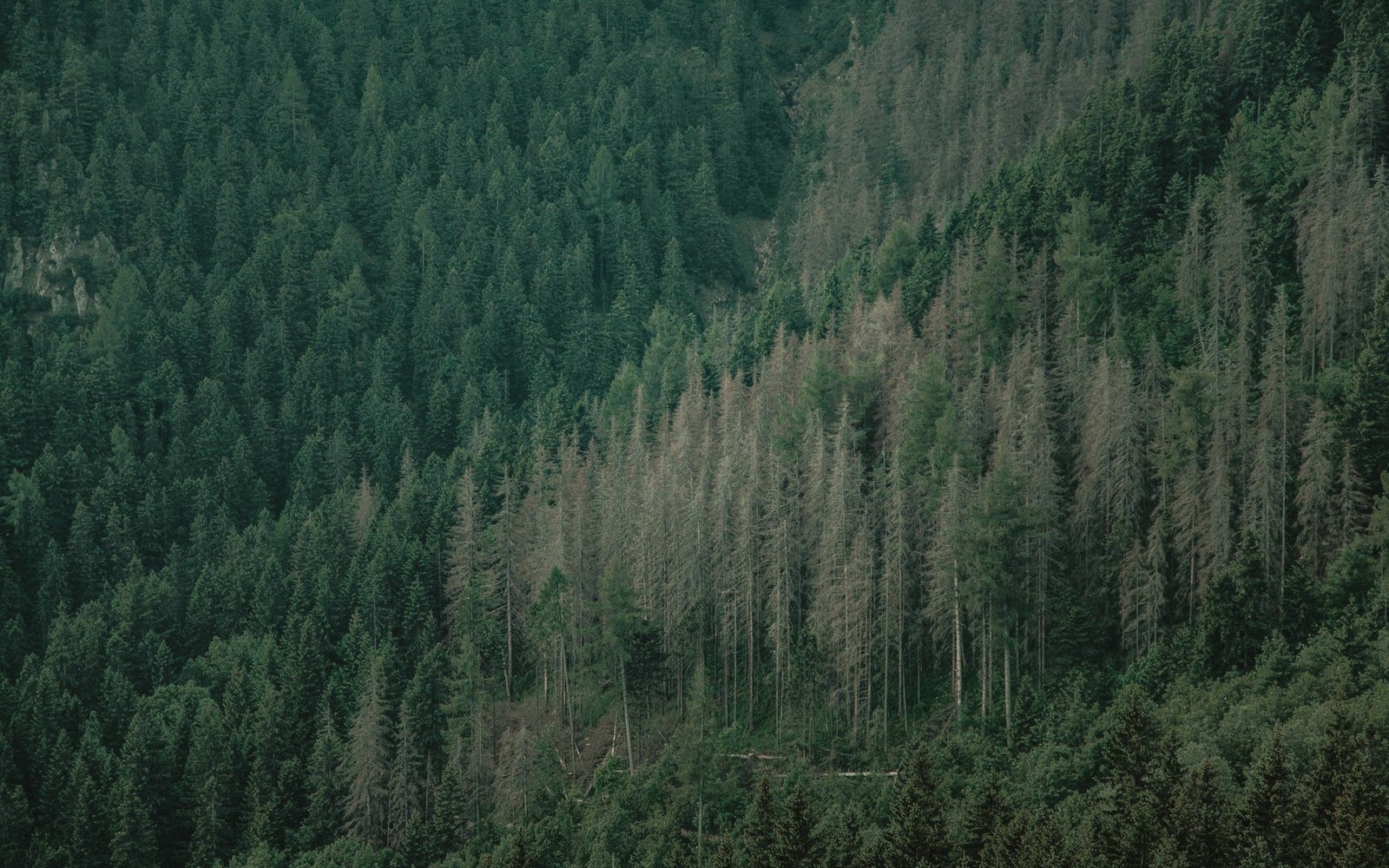
The European silver fir develops partial tolerance through co-evolution; Abies fraseri does not. Mortality among mature trees in the core zone ran above ninety percent at some sites by the 1980s. Great Smoky Mountains National Park, which holds much of the accessible high-elevation fir, documented the collapse in detail and continues to monitor what remains.
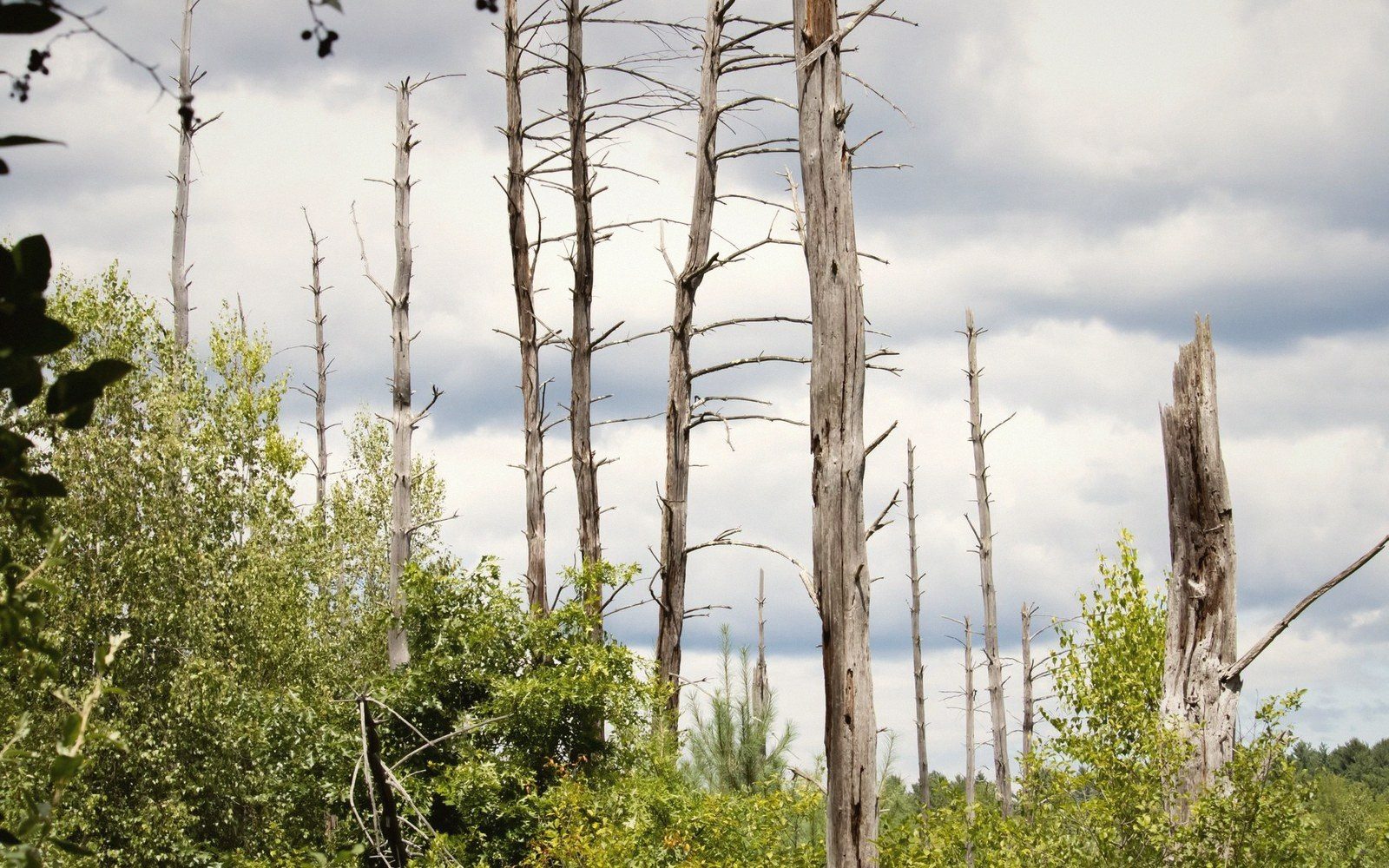
The grey standing trunks visible from the Appalachian Trail on the highest ridges are that record — dead firs bleached by exposure, standing for years before they fall. They are not old-growth ghosts from some earlier disturbance; they are the measurable output of a single introduced species moving through a host with no resistance.
What to look for
- Goutingabnormal swollen wood at feeding sites on bark
- White waxy filaments on bark: the visible sign of active infestation
- Grey standing snags on high ridges: the durable record of mass mortality
Young firs regenerate beneath the snags, and some live long enough to seed, but most encounter adelgid pressure before reaching reproductive maturity, and full canopy recovery has not occurred. Research into resistance breeding is ongoing, led in part by US Forest Service ↗ scientists, but no broadly deployed solution exists. The forest the snags record is not yet returning.