Competing Explanations
The grassy balds of the Southern Appalachians sit below the treeline, yet trees do not grow there. Every explanation offered for why is partially credible, and none is fully proven.
Why the Question Stays Open
The balds of the Roan Highlands and the Great Smoky Mountains occupy summits where climate alone should produce closed forest. That single fact has fueled competing hypotheses for well over a century, and the honest answer is that the evidence supports several of them without settling on any one.
Fire is the oldest candidate. Lightning ignition on exposed ridges is well documented, and repeated burning keeps woody growth suppressed. The charcoal signal in palynological records from bald sites — pollen cores drawn from nearby bogs — shows fire activity, though whether those fires were frequent enough, and well-directed enough, to maintain many hectares of open grassland is genuinely uncertain.
Chronology of the debate
- Pre-contact periodIndigenous burning and large-herbivore grazing proposed as formative forces
- Post-glacialPeriglacial frost disturbance proposed for cold intervals following the last glaciation
- 19th–20th centuryDomestic livestock grazing documented as perpetuating existing balds
- Mid-20th century onwardActive mowing introduced after grazing removal to prevent woodland encroachment
Indigenous land management sharpens the fire argument. Cherokee use of the high ridges for hunting, pasture, and seasonal travel is recorded in ethnohistorical sources, and managed burning for game habitat is a documented practice across the eastern woodlands. Some researchers argue the balds are, in effect, cultural artifacts maintained by deliberate fire — but the same pollen record that shows charcoal predates substantial human modification on some sites, which complicates a purely anthropogenic explanation.
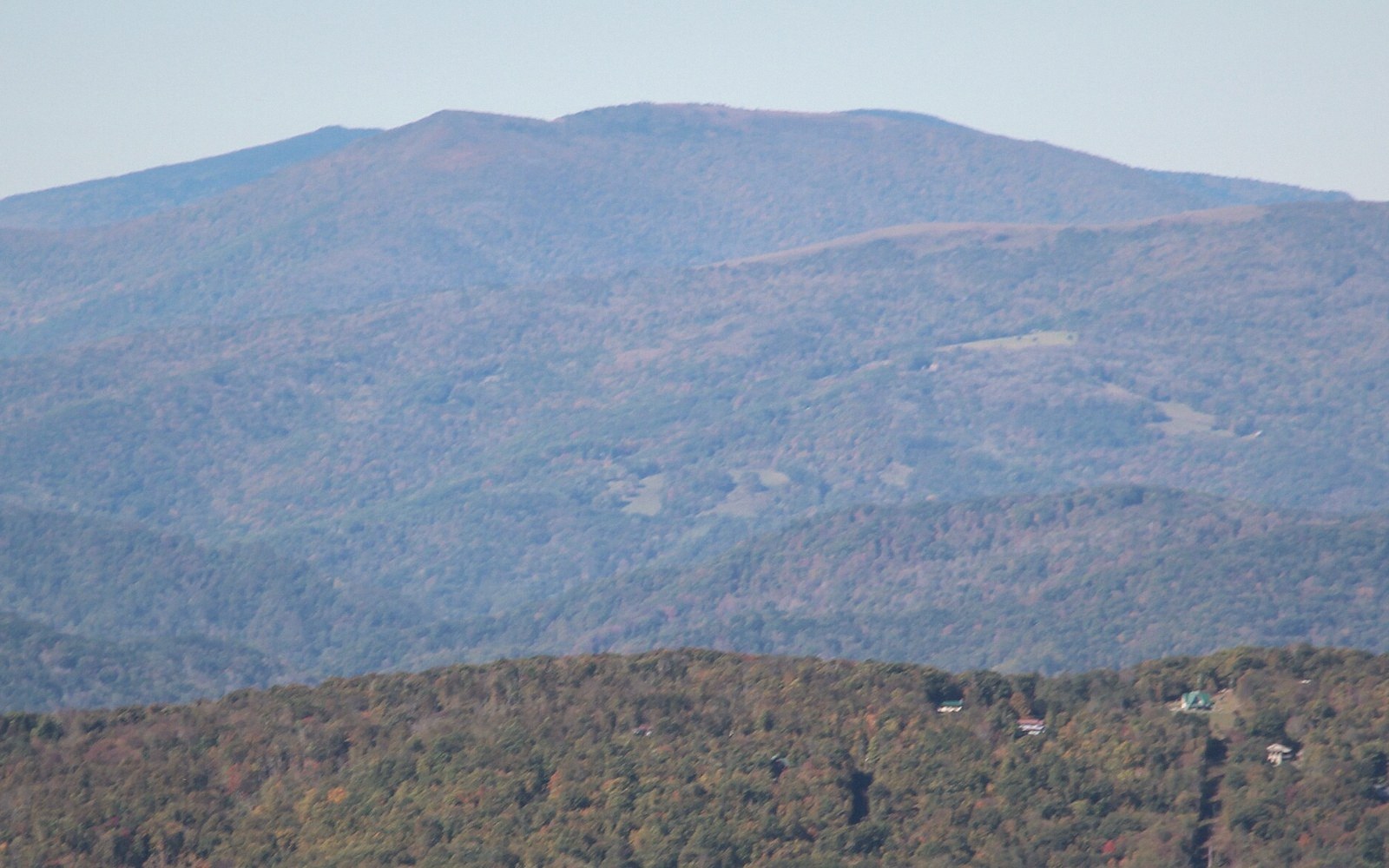
Grazing by large herbivores — bison, elk, and white-tailed deer in substantial pre-contact numbers — provides another mechanism. Heavy browsing pressure can suppress tree regeneration independently of fire, and the two forces together could sustain open ground over long time scales. Historic grazing by domestic livestock after European settlement almost certainly perpetuated balds that already existed, which is why many shrank rapidly after grazing was removed in the twentieth century, and why active mowing is now used by the United States Forest Service ↗ to maintain them.
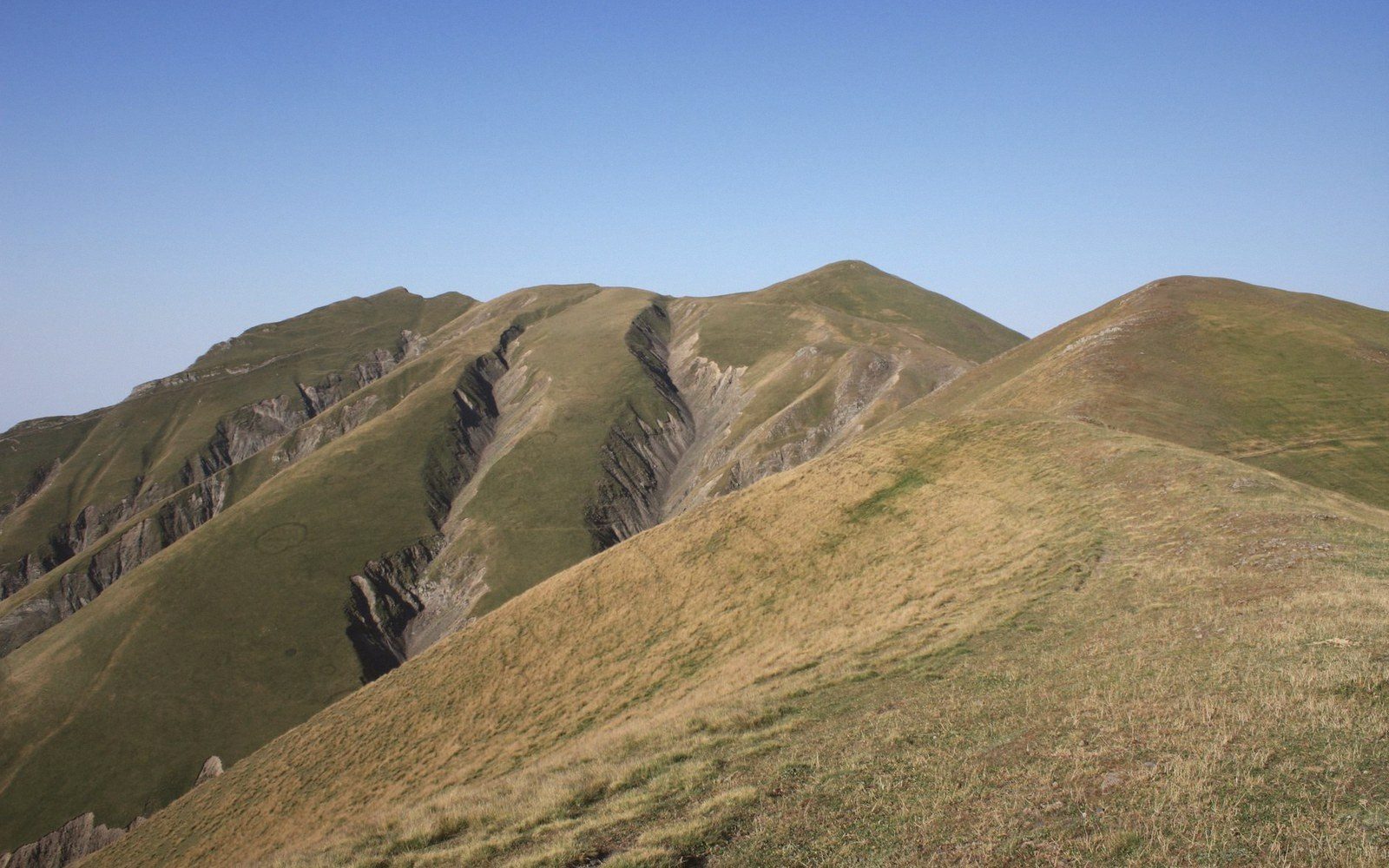
Periglacial disturbance — frost heaving and ice-kill at high elevations during cold intervals since the last glaciation — has also been proposed. The Southern Appalachians were never glaciated by ice sheets, but summit soils at elevation experienced severe freeze-thaw cycling that may have opened ground for grasses that then proved difficult to displace.
What none of these explanations does well is account for the patchy distribution of the balds: why some summits carry them and adjacent, climatically similar summits do not. That spatial irregularity suggests local conditions — soil depth, aspect, drainage, disturbance history — interact with any regional driver, which is exactly the kind of multi-factor problem that resists a clean experimental test. The balds remain one of the genuinely unsolved problems in Southern Appalachian ecology.